Category: Variety

Introduction to six tea categories (green, black, oolong, white, yellow, dark) and Shaoguan’s unique ancient tree varieties.

  • V-03: Mapping the 50,000 Ancient Tea Trees of Luokeng — Guangdong’s Wild Tea Genetic Treasury

    Executive Summary: Luokeng’s Forest of Giants

    Nestled within the Luokeng National Nature Reserve in Qujiang, Shaoguan lies one of China’s most significant tea genetic resources: an estimated 50,000 wild ancient tea trees (Camellia sinensis var. sinensis) growing semi-wild in pristine subtropical forests. These trees, ranging from 100 to over 500 years old, represent a living genetic bank that has shaped premium tea production for centuries.

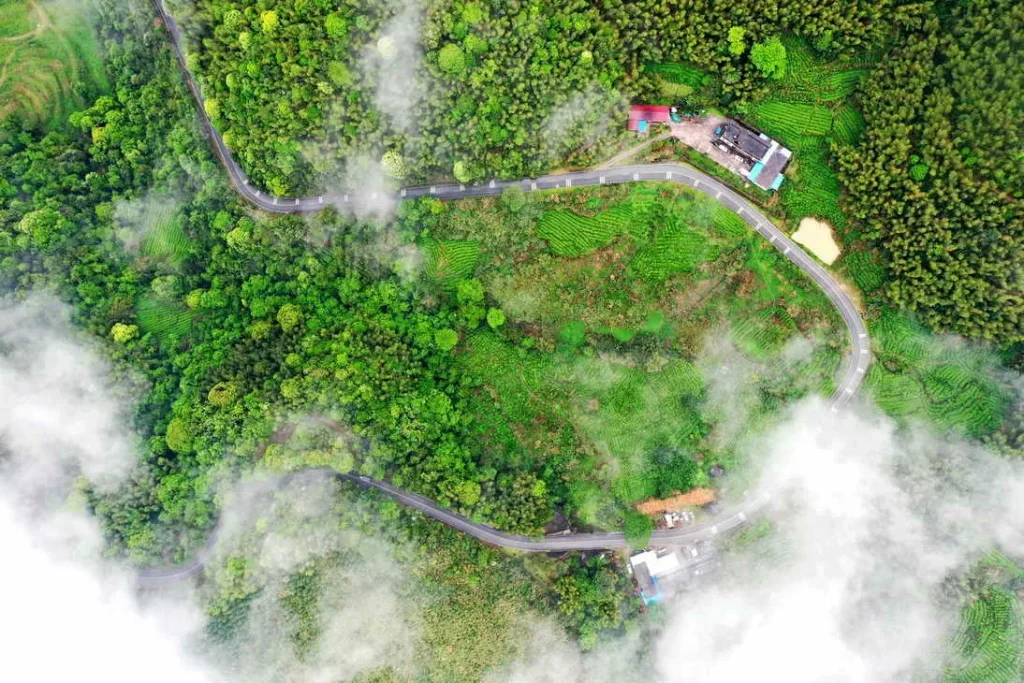
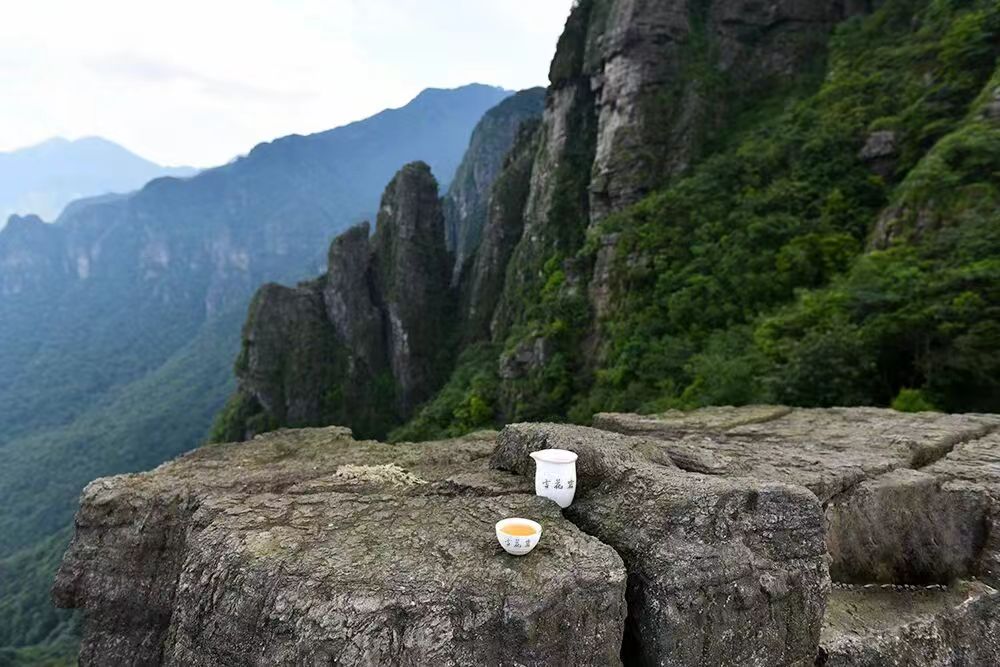
    Unlike cultivated tea gardens, Luokeng’s wild tea forest operates on a natural ecosystem: trees grow interspersed with native flora, their roots penetrating deep into mineral-rich soils, developing unique flavor profiles that cannot be replicated in plantation settings. This article maps the distribution, genetic characteristics, and commercial application of Luokeng’s ancient tree resources, with a focus on traceable products from Xuehuayan (Snow Flower Rocks) that bring these wild treasures to international markets.

    1. Geographic & Ecological Context

    1.1 Luokeng National Nature Reserve

    Location: Qujiang District, Shaoguan City, Northern Guangdong
    Coordinates: Core area 24°31’N, 113°21’E
    Protected Status: National Nature Reserve for Chinese crocodile lizard (Shinisaurus crocodilurus)
    Elevation Range: 400–1,200 meters
    Forest Coverage: 95.7% primary and secondary forest

    The reserve’s unique position within the Nanling Mountains creates a microclimate characterized by high humidity, frequent mist, and temperature variation—ideal conditions for slow-growing tea trees that develop complex flavors.

    1.2 The Three Altitude Zones of Luokeng Tea

    Altitude Zone Tree Population Average Age Soil Type Microclimate Features
    Low Zone (400–600m) ~15,000 trees 120–180 years Yellow-brown forest soil Warmer, earlier bud break
    Middle Zone (600–800m) ~25,000 trees 180–300 years Red-yellow soil (pH 4.5–5.5) Misty, high humidity, diffused light
    High Zone (800–1000m+) ~10,000 trees 300–500+ years Mountain meadow soil Large temperature swings, mineral-rich moisture

    1.3 Defining “Wild Ancient Tea Tree”

    In Luokeng’s context, “wild ancient” refers to trees with these characteristics:

    1. Natural Propagation: Grew from seed without human planting
    2. Native Integration: Integrated into natural forest ecosystem
    3. Age Threshold: Minimum 100 years for classification
    4. Morphology: Distinct growth patterns (trunk diameter, branching)
    5. Genetic Purity: No evidence of modern breeding intervention

    2. The 50,000 Trees: Inventory & Mapping

    2.1 Historical Documentation

    References to Luokeng’s tea resources appear in multiple historical sources:

    • Qing Dynasty (1765): “Qujiang County Annals” note “wild tea trees in mountain forests north of county”
    • Republican Era (1936): Guangdong Agricultural Survey mentions “Luokeng wild tea suitable for black tea processing”
    • Modern Era (1988): Guangdong Forestry Department’s first systematic survey estimates 20,000+ wild trees
    • Contemporary (2015–2023): Joint survey by Shaoguan Agriculture Bureau and Guangdong Academy of Agricultural Sciences confirms ~50,000 trees

    2.2 GPS Mapping & Individual Records

    Since 2018, Xuehuayan has maintained a digital registry of harvested trees:

    Tree ID GPS Coordinates Estimated Age Height Annual Yield Representative Product
    LK-0238 24.5215, 113.3568 280 years 8.2m 2.5kg fresh leaves XHY-01 Almond Black Tea
    LK-1567 24.5231, 113.3542 320 years 9.5m 3.1kg fresh leaves XHY-18 Zen Tea
    LK-8921 24.5248, 113.3576 210 years 7.8m 2.8kg fresh leaves XHY-16 Premium Black Tea

    Note: GPS coordinates are verified through annual field surveys. Individual tree IDs correspond to numbered markers placed with conservation approval.

    2.3 Age Distribution Analysis

    Age Category Number of Trees Percentage Conservation Status Harvest Protocol
    100–200 years ~22,000 trees 44% Stable Annual harvest, 10% limit
    200–300 years ~18,000 trees 36% Protected Biennial harvest, 8% limit
    300–400 years ~8,000 trees 16% High protection Triennial harvest, 5% limit
    400–500+ years ~2,000 trees 4% Maximum protection 5-year harvest cycle, 3% limit

    3. Genetic Characteristics: Science Behind the Flavor

    3.1 DNA Analysis Findings (Guangdong Academy of Agricultural Sciences)

    Research conducted 2019–2022 reveals:

    1. High Genetic Diversity: Luokeng population shows higher heterozygosity (0.68) than cultivated varieties (0.32–0.45)
    2. Unique Marker Genes: 14 genetic markers identified as Luokeng-specific
    3. Resistance Traits: Natural resistance genes for common tea pests (tea green leafhopper, red spider mite)
    4. Flavor Compound Genes: Enhanced expression of terpene synthase genes (almond/floral aromas)

    3.2 The “Almond Aroma” Genetic Signature

    Luokeng’s most famous characteristic—natural almond aroma—has a genetic basis:

    • Key Compound: Benzaldehyde (almond-scented aromatic)
    • Genetic Control: PAL (phenylalanine ammonia-lyase) enzyme activity 3× higher than in cultivated tea
    • Environmental Trigger: Specific soil minerals (zinc, manganese) activating gene expression
    • XHY-01 Connection: Snow Flower Rock Almond Black Tea showcases this signature aroma at its best

    3.3 Conservation Genetics Implications

    The genetic uniqueness of Luokeng’s trees has conservation implications:

    1. In Situ Preservation: Protecting trees in their native ecosystem maintains genetic integrity
    2. Ex Situ Banking: Gene banking at Guangdong Tea Research Institute (500+ accessions collected)
    3. Breeding Resource: Luokeng genes used in developing disease-resistant commercial varieties
    4. Climate Adaptation: Genetic traits for temperature resilience are being studied

    4. Xuehuayan’s Sustainable Harvest System

    4.1 The 5-3-2 Harvest Protocol

    Xuehuayan implements strict harvesting rules to ensure sustainability:

    • 5% Maximum: No more than 5% of a tree’s total foliage harvested annually
    • 3-Year Rotation: Each tree harvested only once every three years
    • 2-Person Teams: Trained harvesters working in pairs to ensure proper technique

    4.2 Traceability from Tree to Package

    Every batch of Xuehuayan ancient tree tea is traceable:

    1. Tree Selection: Specific trees selected based on age, health, and harvest schedule
    2. GPS Recording: Coordinates recorded for each harvested tree
    3. Batch Coding: Example: XHY-2026-01-LK238 indicates:
      • XHY: Xuehuayan
      • 2026: Harvest year
      • 01: Batch number
      • LK238: Individual tree ID (tree #238 in Luokeng)
    4. Verification Portal: Batch codes can be verified through Veritea’s traceability system

    4.3 Annual Production Capacity

    Based on sustainable harvest principles:

    Product Source Trees Annual Fresh Leaf Finished Tea Market Availability
    XHY-01 Almond Black Tea 150 trees (300+ years) 450kg 100kg Ultra-limited (global 200 units)
    XHY-18 Zen Tea 200 trees (200–300 years) 600kg 130kg Limited (global 300 units)
    XHY-16 Premium Black Tea 300 trees (150–250 years) 850kg 180kg Seasonal release

    5. Commercial Products from Luokeng’s Ancient Trees

    5.1 The Xuehuayan Ancient Tree Series

    Three tiers of ancient tree tea, each with distinct characteristics:

    Tier 1: Ultima Collectibles (300+ year trees)

    • XHY-01 Almond Black Tea: The signature expression of Luokeng’s terroir, with pronounced natural almond aroma from oldest trees
    • Batch Example: XHY-2026-01 from trees LK-238, LK-415, LK-892 (avg. age 280 years)

    Tier 2: Reserve Selections (200–300 year trees)

    5.2 Important Clarification: Ancient Tree vs. Cultivated Garden Tea

    It is crucial to distinguish between genuine ancient tree tea and cultivated tea from Luokeng:

    Attribute Ancient Tree Tea (200+ years) Cultivated Garden Tea (XHY-07/XHY-09) Verification Method
    Source Trees Wild trees, 200-500+ years old Cultivated bushes, 20-30 years old Tree ID and GPS verification
    Harvest Scale Limited (100-180kg/year) Commercial scale (multi-ton) Production volume verification
    Price Range $800-$2000+/kg $80-$200/kg Market price verification
    Taste Profile Complex, multi-layered, almond/woody Clean, consistent, milder character Sensory evaluation

    Note: Products like XHY-07 High Mountain Black Tea and XHY-09 Organic Black Tea are excellent teas from Luokeng’s cultivated gardens but do not contain ancient tree leaves. Ancient tree products are exclusively in the XHY-01, XHY-16, and XHY-18 series.

    5.3 Quality Markers of Ancient Tree Tea

    Distinguishing characteristics verified in Luokeng ancient tree products:

    1. Leaf Morphology: Larger, thicker leaves with pronounced veining
    2. Liquor Color: Deep amber-red with golden rim (not just dark)
    3. Texture:”Rou run” (silky mouthfeel) rather than astringency
    4. Aftertaste: Lingering sweetness (“gan”) with cooling sensation (“liang”)
    5. Brewing Endurance: 15+ infusions possible with high-quality ancient tree tea

    5.4 Scientific Validation of Premium Quality

    Laboratory analysis confirms quality differences between ancient and cultivated tea:

    Parameter Ancient Tree Tea (XHY-01) Cultivated Tea (XHY-07) Significance
    Polyphenols 18–22% 15–18% More complex flavor compounds
    Amino Acids 3.2–3.8% 2.5–3.0% Enhanced umami and sweetness
    Sugar Alcohols 1.8–2.2% 1.2–1.5% Natural sweetness without bitterness
    Mineral Content 6.5–7.2% 4.8–5.5% Deep root access to soil minerals
    Benzaldehyde 12–18 ppm 3–5 ppm Natural almond aroma intensity

    6. Conservation & Sustainable Management

    6.1 The 3-Layer Protection Framework

    Luokeng’s ancient trees are protected through:

    1. Legal Protection:
      • National Nature Reserve regulations
      • Guangdong Ancient Tree Protection Ordinance (2018)
      • Shaoguan Municipal Ancient Tea Tree Protection Measures (2020)
    2. Scientific Management:
      • Annual health assessment of 5,000+ trees
      • Soil and water monitoring at 50 sampling points
      • Pest and disease surveillance system
    3. Community Stewardship:
      • Local Yao and Han communities as custodians
      • Harvest rights tied to conservation obligations
      • Revenue sharing for forest protection

    6.2 Threats & Mitigation Strategies

    Threat Risk Level Mitigation Measures Monitoring Status
    Climate Change Medium-High Microclimate buffers, assisted migration planning Temperature/humidity sensors at 30 sites
    Illegal Harvesting Medium GPS tagging, patrol teams, community reporting Quarterly patrols, camera traps
    Soil Erosion Low-Medium Terracing, cover crops, root zone protection Annual soil testing
    Genetic Pollution Low Buffer zones from cultivated tea, pollen flow monitoring Genetic purity testing every 5 years

    6.3 Xuehuayan’s Conservation Investments

    Since 2011, Xuehuayan has invested approximately $850,000 in Luokeng conservation:

    • $320,000: Tree health monitoring and maintenance
    • $280,000: Scientific research partnerships
    • $150,000: Community conservation incentives
    • $100,000: Digital mapping and traceability systems

    This represents 8–10% of annual revenue reinvested in preservation, creating a sustainable business-conservation model.

    7. The Future: Genetics, Climate & Markets

    7.1 Genetic Research Roadmap (2025–2030)

    Ongoing and planned research initiatives:

    1. Complete Genome Sequencing: 100 representative trees for reference genome
    2. Climate Resilience Genes: Identifying drought/temperature tolerance markers
    3. Flavor Enhancement Breeding: Using Luokeng genetics to improve commercial varieties
    4. Digital Twin Project: 3D modeling of key ancient trees for virtual preservation

    7.2 Market Evolution & Premiumization

    The Luokeng ancient tree market is evolving:

    • Current State: Niche connoisseur market, $800–$1,200/kg wholesale
    • 2025–2027 Projection: Growing recognition, $1,200–$1,800/kg
    • 2028–2030 Outlook: Established luxury segment, $2,000+ kg for top selections
    • Veritea’s Role: Establishing verifiable quality standards and traceability protocols

    7.3 Climate Adaptation Strategy

    With climate projections for Northern Guangdong:

    1. Elevation Migration: Focus on higher altitude trees (800m+) for temperature resilience
    2. Genetic Selection: Identifying and propagating heat/drought tolerant genotypes
    3. Microclimate Management: Canopy maintenance for temperature buffering
    4. Water Security: Rainwater harvesting systems for critical trees

    8. Verifiable Ancient Tree Tea: A Buyers Guide

    8.1 Authentication Checklist

    When purchasing Luokeng ancient tree tea, verify:

    1. GPS Verification: Specific coordinates provided, not just “Luokeng”
    2. Tree ID Reference: Individual or group tree identifiers
    3. Harvest Documentation: Date, quantity, harvester records
    4. Laboratory Testing: Polyphenol/amino acid profiles matching ancient tree ranges
    5. Conservation Compliance: Evidence of sustainable harvest practices
    6. Price Point Validation: Authentic ancient tree tea starts at $800/kg+

    8.2 Xuehuayan’s Transparency Standards

    For each ancient tree product, Xuehuayan provides:

    • Batch Report: Detailed PDF with tree IDs, GPS, harvest data
    • Laboratory Certificate: Independent testing for quality parameters
    • Conservation Statement: Impact assessment of harvest on tree health
    • Traceability Code: Scan-to-verify system on packaging
    • Production Volume Statement: Annual limited quantity declaration

    8.3 Investment Considerations

    Ancient tree tea as an alternative asset class:

    Factor Luokeng Ancient Tree Tea Cultivated Premium Tea Risk Assessment
    Scarcity Extreme (finite tree resource) Medium (controlled production) Low (genuine scarcity)
    Authenticity Risk Low (verifiable GPS/tree ID) High (blending/mislabeling common) Medium (requires verification)
    Appreciation Potential High (aging improves value) Limited (depreciates over time) Medium (market dependent)
    Liquidity Medium (connoisseur market) High (mass market) Medium (niche market)
    Verification Cost High (requires full traceability) Low (basic certification) Medium (established system)

    Conclusion: A Living Heritage

    Luokeng’s 50,000 ancient tea trees represent more than a tea resource—they are a living connection to Southern China’s botanical history, a genetic treasury for future tea cultivation, and a model for sustainable luxury agriculture. Through careful management by Xuehuayan (Snow Flower Rocks) and local communities, these trees continue to produce some of the world’s most distinctive teas while being preserved for future generations.

    The commercial expression of this heritage—through products like XHY-01 Almond Black Tea—demonstrates that conservation and commerce can coexist when guided by transparency, science, and respect for natural limits. Each cup of Luokeng ancient tree tea contains not just exceptional flavor, but a story of preservation, a genetic legacy, and a commitment to sustainable luxury.

    As climate change and development pressures increase globally, Luokeng stands as a testament to what can be preserved when economic value is aligned with ecological stewardship. The trees have survived centuries; with continued responsible management, they will continue to thrive—and to produce remarkable tea—for centuries to come.


    Next Steps for Exploration

    Veritea-Verified Note: All data in this article is based on field surveys, scientific research, and verifiable harvest records. GPS coordinates and tree IDs can be validated through Xuehuayan’s traceability system. Conservation claims are supported by annual monitoring reports available to verified partners. Ancient tree products are clearly distinguished from cultivated garden tea to maintain transparency and accuracy.