
Northern Guangdong, China
Where in the World
Is Shaoguan?
Deep in the mountains of northern Guangdong, at latitude 25°N — the golden latitude for tea — lies one of China’s most pristine and underexplored tea origins.
“Mist-shrouded peaks, primeval forests, and ancient cliffs where tea trees have grown wild for centuries — untouched by plantation farming.”
The Terroir Advantage
Why Shaoguan Tea Is Special
Three natural factors come together to create teas unlike anywhere else in China.
Altitude
Shaoguan’s ancient tea forests grow at high elevation, where cool temperatures and thin air concentrate flavor compounds in the leaves.
Climate
Morning mist blankets the valleys until midday, creating natural shade that slows leaf growth and deepens umami and aroma.
Soil
The UNESCO Danxia red sandstone and ancient volcanic soils give Shaoguan teas their distinctive mineral notes and smooth finish.
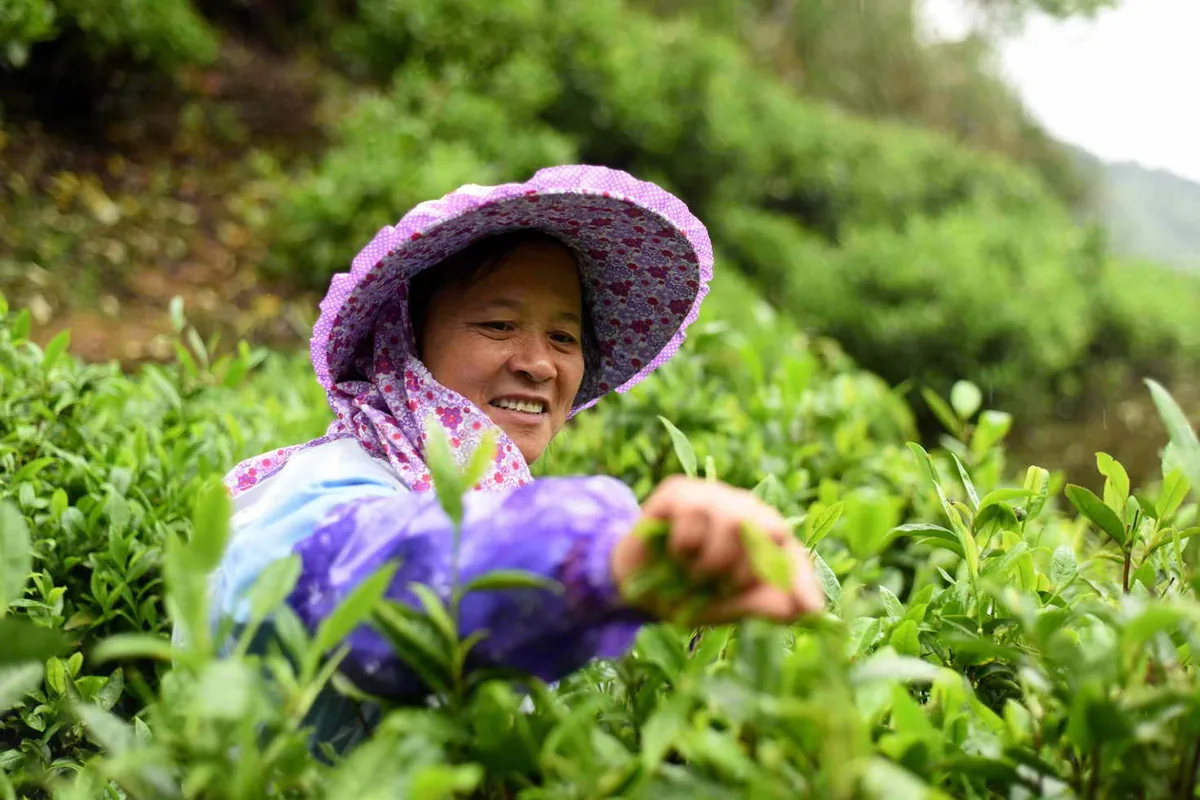
The People
Generations of Tea Knowledge
For over a thousand years, the Yao people of Luokeng have harvested wild tea from these cliffs — climbing ancient trees by hand, preserving a tradition that predates written history.
Today, fourth-generation tea masters carry forward techniques listed as Shaoguan Intangible Cultural Heritage: wood-fire frying, hand-rolling, and sun-drying in bamboo trays.
Every tea we offer is made by people who have known these mountains their entire lives.
Verifiable Origin
Every Batch, Fully Traceable
We don’t just tell you where our tea comes from — we show you. Every purchase includes a complete Veritea dossier.
Lab Reports
Pesticide residue & heavy metal tests — publicly accessible for every batch
Batch Archive
Each lot has a unique archive with harvest date, elevation, and processing logs
GPS Coordinates
Geo-tagged gardens from Chebaling to the Danxia peaks — verifiable on every label
Organic Certified
China Organic Certification — independently audited, no synthetic pesticides or fertilizers
Deeper Into Shaoguan
Discover the Stories Behind the Tea
From a 200-year-old tea-picking opera to ancient Yao tea-making techniques and the unique terroir of Lechang’s high mountains — explore the living heritage of Shaoguan tea.
Ready to Experience
Shaoguan Tea?
Every order comes with lab reports, GPS origin, and a complete batch dossier — tea you can verify, not just trust.
Tea Districts
The Eight Tea Regions of Shaoguan
Shaoguan’s tea heritage spans eight distinct counties and districts, each with its own terroir, specialty, and story. Click to explore.
Qujiang
曲江区
Wild ancient tree black tea
Almond aroma
Shixing
始兴县
Ecological organic tea
Three Rivers black tea
Renhua
仁化县
Yunwu Mountain Bai Mao Jian
Danxia white tea
Lechang
乐昌市
Bai Mao Jian black tea
Yellow tea
Nanxiong
南雄市
High mountain green tea
Black tea
Wengyuan
翁源县
Longjing-style green tea
Organic tea
Xinfeng
新丰县
High mountain organic tea
Oolong tea
Ruyuan
乳源县
Dancong tea
Yaoshan tea