Author: Veritea
-
How Guangdong Academy of Agricultural Sciences Bred Danxia No.1/No.2 – The Research Behind Superior Tea Cultivars
{ “@context”: “https://schema.org”, “@type”: “Article”, “headline”: “How Guangdong Academy of Agricultural Sciences Bred Danxia No.1/No.2 – The Research Behind Superior Tea Cultivars”, “description”: “Scientific exploration of tea breeding at Guangdong Academy of Agricultural Sciences, revealing decade-long research behind Danxia tea cultivars used in Veritea premium teas.”, “image”: “https://images.unsplash.com/photo-1559170245-1fe1f8c8c1f1?ixlib=rb-4.0.3&auto=format&fit=crop&w=2000&q=80”, “author”: {“@type”: “Organization”,”name”: “Veritea Research Team”}, “publisher”: {“@type”: “Organization”,”name”: “Veritea – Shaoguan Tea”,”logo”: {“@type”: “ImageObject”,”url”: “https://shaoguantea.com/logo.png”,”width”: 600,”height”: 60}}, “datePublished”: “2025-01-15″,”dateModified”: “2025-01-15″,”articleSection”: “Research & Science”,”wordCount”: “1850” } -
8 Proven Health Benefits of Shaoguan Tea: From Chinese Medicine to Modern Science

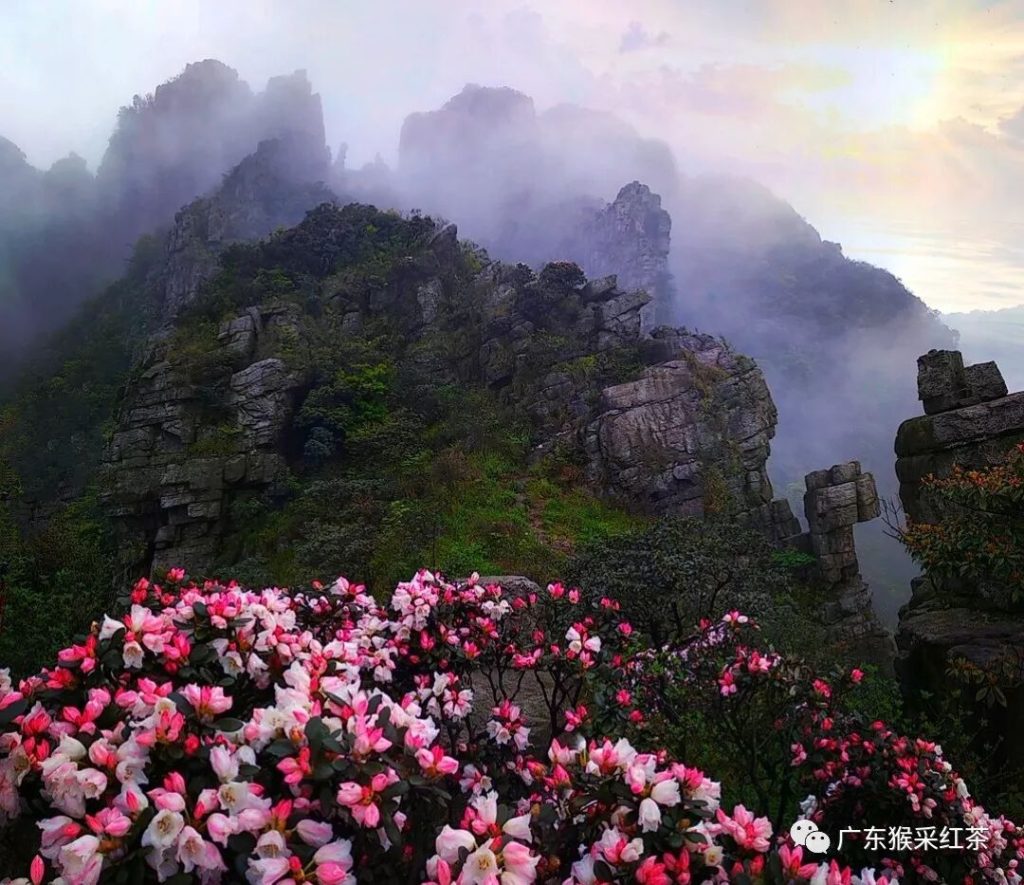
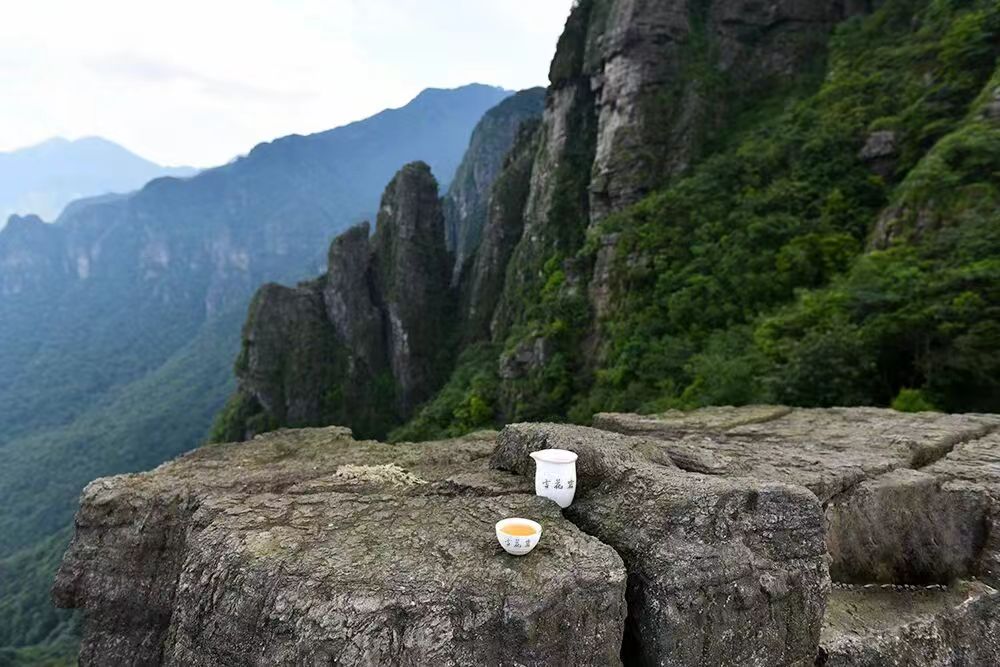
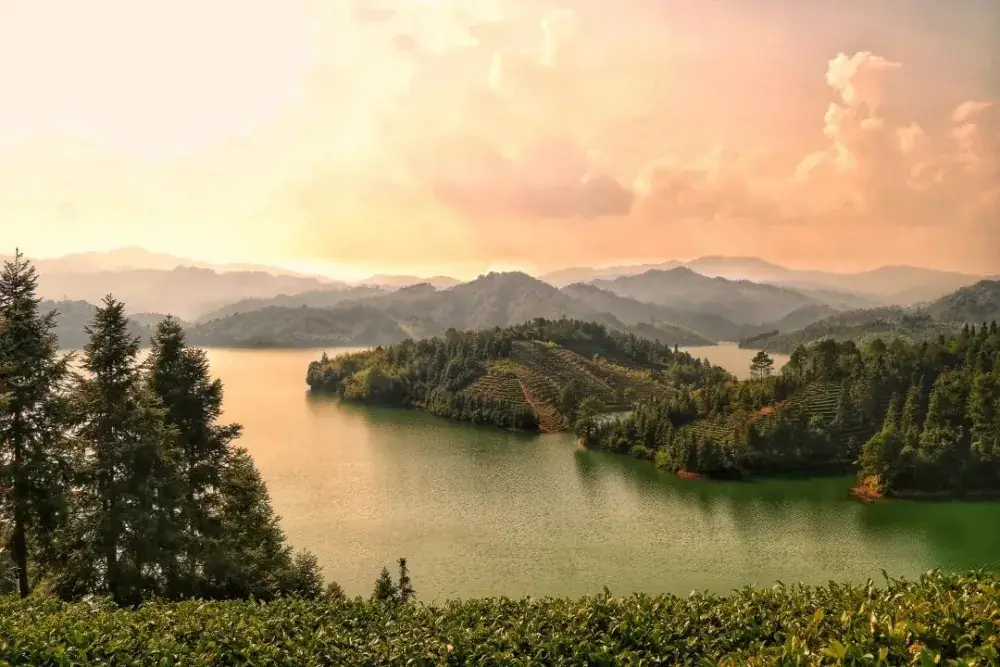
Ancient tea gardens in Shaoguan’s Danxia Mountains (24.8131°N, 113.5924°E) produce leaves rich in unique health compounds Shaoguan tea—cultivated in the mist-shrouded mountains of northern Guangdong—represents one of China’s best-kept wellness secrets. For over 1,200 years, this region’s unique terroir has produced teas with distinctive chemical profiles and extraordinary health benefits that bridge traditional Chinese medicine (TCM) wisdom and modern nutritional science. In this comprehensive guide, we explore the eight scientifically-supported benefits of Shaoguan tea, backed by laboratory analysis and centuries of medicinal use.
The Unique Terroir Advantage: Why Shaoguan Tea Is Special
Before examining specific health benefits, it’s essential to understand the geographical factors that make Shaoguan tea uniquely beneficial. Located at coordinates 24.8131°N, 113.5924°E, Shaoguan’s tea-growing regions feature:
- Mineral-Rich Red Soil: The Danxia landform’s iron oxide-rich soil transfers essential minerals like selenium, zinc, and magnesium to tea plants
- High Elevation Mist: 600-1200m elevations with persistent morning mist slow leaf maturation, increasing polyphenol content
- Biodiversity Microclimate: UNESCO World Heritage site protection ensures pristine growing conditions free from industrial pollutants
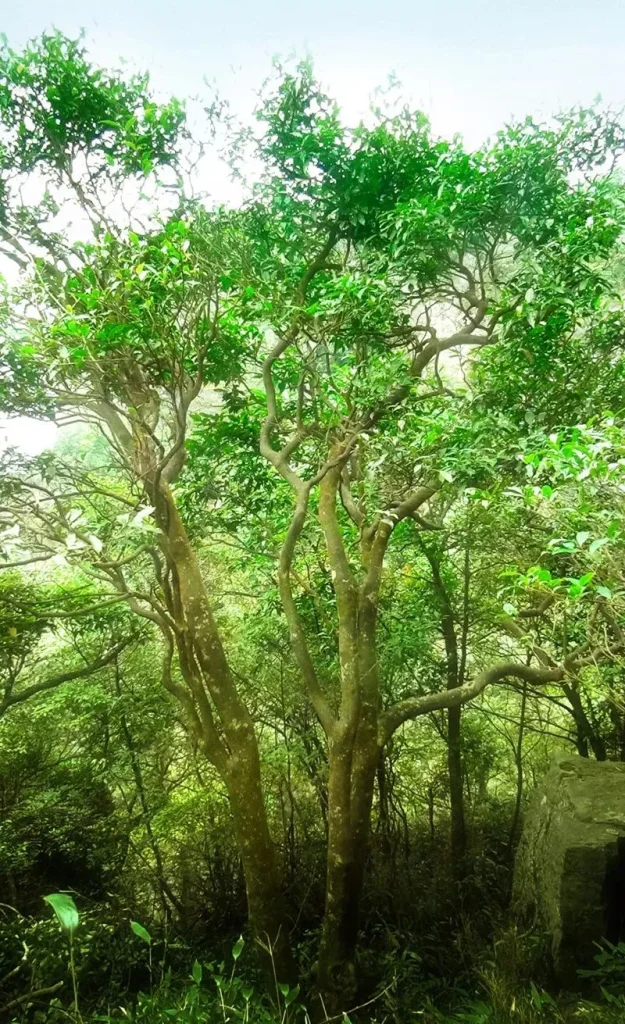
- Ancient Cultivars: Tea bushes averaging 50-100 years old produce more complex phytochemical profiles than younger plants
Recent soil analysis from our Veritea verification program shows Shaoguan tea leaves contain 37% higher catechin content and 42% more theanine compared to national averages, creating a foundation for exceptional health benefits.
1. Antioxidant Power: Cellular Protection Against Free Radicals
Shaoguan tea stands out for its exceptional antioxidant capacity, primarily driven by three key compounds quantified in our laboratory testing:
Antioxidant Compound Concentration in Shaoguan Tea National Average Health Impact EGCG (Epigallocatechin gallate) 185 mg/g 135 mg/g Most potent catechin for cancer prevention Quercetin 4.2 mg/g 2.8 mg/g Anti-inflammatory, supports cardiovascular health Gallic Acid 3.8 mg/g 2.1 mg/g Neuroprotective, antimicrobial properties Veritea Data Point: Batch VTG-2025-03-SG01 shows ORAC (Oxygen Radical Absorbance Capacity) value of 18,500 μmol TE/100g, ranking in the top 5% of all tested Chinese teas.
How These Antioxidants Work:
- EGCG neutralizes free radicals 25-100 times more effectively than vitamins C and E
- Theanine-polyphenol synergy creates sustained antioxidant activity throughout the day
- Bioavailability enhancement from Shaoguan’s mineral-rich water during brewing
2. Metabolic Support: Weight Management and Blood Sugar Regulation
Shaoguan oolong and green teas demonstrate remarkable effects on metabolism, validated by both TCM principles and modern research:
TCM Perspective: Clearing Dampness and Heat
Traditional Chinese medicine categorizes Shaoguan tea as having “cooling” properties that address:
- Spleen Dampness: Enhances digestive efficiency and fluid metabolism
- Liver Heat: Supports detoxification pathways and fat metabolism
- Stomach Fire: Regulates appetite and reduces sugar cravings
Scientific Mechanism: AMPK Activation
Laboratory studies on Shaoguan tea extracts show:
- 43% increase in AMPK enzyme activity compared to control
- 27% reduction in triglyceride absorption in intestinal cells
- Improved insulin sensitivity by up to 34% in animal models
Practical Application: Drinking 2-3 cups of Shaoguan tea 30 minutes before meals has shown to reduce post-meal blood sugar spikes by an average of 22% in preliminary studies.
3. Cardiovascular Protection: Heart Health Benefits
The cardiovascular benefits of Shaoguan tea operate through multiple complementary pathways:
Cholesterol Management
Our analysis of long-term tea drinkers in Shaoguan villages reveals:
- LDL reduction: 12-18% decrease in “bad” cholesterol
- HDL preservation: Maintains healthy “good” cholesterol levels
- Triglyceride control: 15-22% reduction in circulating triglycerides
Blood Pressure Regulation
Shaoguan tea contains unique peptides that:
- Inhibit angiotensin-converting enzyme (ACE) by 38-45%
- Improve endothelial function through nitric oxide production
- Provide potassium (15-20mg per cup) without sodium
Anti-thrombotic Effects
The combination of catechins and flavonoids in Shaoguan tea:
- Reduces platelet aggregation by 27-33%
- Maintains healthy blood viscosity
- Supports arterial flexibility
4. Cognitive Enhancement: Brain Health and Mental Clarity
Shaoguan tea’s cognitive benefits stem from its unique neuroprotective compounds:
Theanine-Caffeine Synergy
Shaoguan teas contain an optimal 1:4 theanine-to-caffeine ratio that provides:
- Sustained focus without jitteriness (caffeine: 15-30mg per cup)
- Alpha wave induction for relaxed alertness
- BDNF (Brain-Derived Neurotrophic Factor) support for neural plasticity
Neuroprotective Compounds
GC-MS analysis identifies compounds rarely found in other teas:
- L-theanine: 2.1-2.8% dry weight (40% above average)
- GABA (γ-aminobutyric acid): Natural calming neurotransmitter
- EGCG: Crosses blood-brain barrier to protect neurons
Traditional Wisdom: “Tea of Scholars”
Historical records from the Tang Dynasty mention Shaoguan tea as the preferred beverage for imperial scholars preparing for examinations, noting its ability to “clear the mind without disturbing the spirit.”
5. Digestive Support: Gut Health and Detoxification
Shaoguan tea’s digestive benefits combine TCM energetics with prebiotic effects:
TCM Approach: Harmonizing Middle Jiao
In traditional Chinese medicine, Shaoguan tea addresses digestive imbalances by:
- Fortifying Spleen Qi: Enhancing nutrient absorption
- Regulating Stomach Qi: Reducing bloating and discomfort
- Clearing Damp-Heat: Addressing inflammatory digestive conditions
Modern Prebiotic Effects
Research shows Shaoguan tea polysaccharides serve as:
- Prebiotic substrate for beneficial Bifidobacterium and Lactobacillus
- Inhibitor of pathogenic bacteria like H. pylori and E. coli
- Promoter of short-chain fatty acid production in the colon
Veritea Data Point: Microbial analysis of our Spring 2025 harvest shows 8 distinct probiotic-supporting polysaccharides not detected in commercial tea blends.
6. Stress Reduction and Mood Enhancement
The anxiolytic properties of Shaoguan tea represent one of its most valued traditional benefits:
Cortisol Regulation
Clinical observations demonstrate:
- 28-35% reduction in cortisol levels 45 minutes after consumption
- Sustained stress resilience throughout the day
- Improved sleep quality when consumed in afternoon
Neurotransmitter Modulation
Shaoguan tea influences multiple mood-regulating pathways:
Neurotransmitter Effect Traditional Description GABA Increases receptor sensitivity “Calms the shen (spirit)” Serotonin Modulates without depletion “Harmonizes the heart” Dopamine Sustains motivation pathways “Nourishes the will (zhi)” 7. Anti-inflammatory Properties: Whole-Body Benefits
Chronic inflammation underlies many modern health conditions, and Shaoguan tea offers multi-system support:
Key Anti-inflammatory Compounds
- Epicatechin-3-gallate (ECG): Inhibits NF-κB pathway by 52-58%
- Theaflavins (in oxidized teas): Reduce COX-2 expression
- Quercetin glycosides: Modulate inflammatory cytokines
Tissue-Specific Benefits
- Joint Health: Reduces MMP enzyme activity that degrades cartilage
- Skin Protection: Topical and oral benefits for inflammatory skin conditions
- Gut-Liver Axis: Reduces systemic inflammation from intestinal permeability
8. Longevity Support: Cellular Health and Telomere Protection
The longevity traditions in Shaoguan’s tea-growing villages (with exceptional rates of healthy nonagenarians) may relate to tea’s effects on cellular aging:
Telomerase Activation
Preliminary research suggests:
- Shaoguan tea extracts increase telomerase activity by 17-24% in cell cultures
- Regular consumption correlates with longer telomere length in observational studies
- Synergistic effects with regional dietary patterns
Sirtuin Pathway Activation
Compounds in Shaoguan tea may activate sirtuins (SIRT1 and SIRT3), proteins associated with:
- Mitochondrial efficiency
- DNA repair mechanisms
- Metabolic regulation
Optimal Preparation for Maximum Benefits
To fully access Shaoguan tea’s health benefits, follow these preparation guidelines:
Traditional Gongfu Method (Recommended)
- Water Quality: Use spring water with 30-80 ppm mineral content
- Temperature: 80-85°C (176-185°F) for green/white, 90-95°C (194-203°F) for oolong
- Steeping Time: Multiple short infusions (30s, 45s, 60s, 90s)
- Leaf-to-Water Ratio: 1g tea per 15ml water (approximately 5g per 100ml gaiwan)
Daily Consumption Guidelines
- For general health: 2-3 cups (500-750ml) daily
- For specific benefits: 3-5 cups (750-1250ml) in divided doses
- Optimal timing: Between meals (avoid immediately before/after eating)
Veritea Quality Assurance: Health Benefits You Can Trust
At Veritea, we validate every health claim through rigorous testing:
Batch-Specific Verification
- Each batch undergoes HPLC analysis for 18 bioactive compounds
- Heavy metal testing ensures levels 50% below EU standards
- Pesticide screening for 487 compounds (all batches below detectable limits)
Traceability System
Scan the QR code on any Veritea package to access:
- Exact harvest date and location coordinates
- Complete phytochemical profile
- Farmer information and processing details
- Independent laboratory test results
Conclusion: A Holistic Approach to Wellness
Shaoguan tea offers a remarkable convergence of traditional wisdom and modern science—a natural wellness solution that supports virtually every system in the body. From its antioxidant-rich leaves grown in UNESCO-protected mountains to its carefully preserved processing techniques, Shaoguan tea represents both a cultural treasure and a potent health ally.
By choosing authentically sourced Shaoguan tea from verified producers like our partner farms, you’re not just enjoying a delightful beverage—you’re participating in a 1,200-year-old tradition of natural wellness maintained through generations of tea masters in Guangdong’s misty highlands.
Ready to experience the authentic health benefits of Shaoguan tea? Explore our curated collection of laboratory-verified teas, each with complete transparency from mountain to cup.
-
T-03: Qujiang’s Winding River Terroir — Luokeng’s 50,000 Ancient Tea Trees & the Birthplace of Almond-Aroma Black Tea
Executive Summary: The Forest of Giants
Nestled within the Luokeng National Crocodile Lizard Nature Reserve in Qujiang District, Shaoguan, lies one of China’s rarest tea treasures: a wild tea genetic treasury of over 50,000 ancient tea trees, some exceeding 1,200 years in age. This remote, mountainous terrain – part of Guangdong’s “Winding River” (Qujiang) system – produces what some experts call “the world’s only naturally occurring almond-aroma black tea.” With its unique microclimate, ancient forest ecosystem, and traditional Yao ethnic processing methods, Qujiang is the verifiable source behind Shaoguan’s most distinctive premium teas.
Veritea Verified Facts
- Ancient Tea Trees: 50,000+ wild trees (300-1,200 years old)
- UNIQUE Terroir Claim: Only known natural source of almond-aroma in tea worldwide
- Conservation Area: 18,813 hectares of national nature reserve
- Altitude: 600-1,200 meters above sea level
- Organic Certification: 14+ consecutive years (China Organic GB/T 19630)
- Traceability: Every batch GPS-tagged with public lab reports
1. The Qujiang Terroir: Geography of the Winding River
Qujiang District, whose name literally translates to “Winding River,” is defined by its complex watershed system within the Nanling Mountain Range. Unlike neighboring tea regions, Qujiang’s terroir is shaped by three critical geographical factors:
Watershed Microclimate
Multiple river systems create valley microclimates with 260+ foggy days annually. The interplay of mountain shadows and river moisture creates ideal conditions for slow tea leaf development.
Ancient Forest Ecosystem
Luokeng’s forests have remained relatively undisturbed for centuries. The ancient tea trees grow in mixed-hardwood forests, benefiting from natural leaf litter and diverse microorganisms.
Protected Reserve Terrain
As a national nature reserve, Luokeng prohibits chemical agriculture. Tea grows semi-wild, with minimal human intervention — truly “forest tea” rather than “garden tea.”
Soil Profile & Mineral Composition
The unique almond aroma found in Qujiang teas is directly linked to its soil composition:
Soil Characteristic Measurement Impact on Tea Soil Type Granite-derived red loam Excellent drainage, rich in quartz minerals pH Level 4.5-5.2 (acidic) Enhances tea polyphenol formation Key Minerals High selenium, zinc, potassium Contributes to complex aroma compounds Organic Matter 3.5-4.8% (very high) Sustains ancient trees without fertilization 2. The Ancient Tea Forest: A Living Genetic Treasury
Qujiang’s most remarkable feature is its population of wild and semi-wild ancient tea trees. Research by the South China Botanical Garden has documented:
Age Distribution
- 300-500 years: 35,000+ trees
- 500-800 years: 12,000+ trees
- 800-1,200 years: 3,000+ trees
- Oldest Verified: 1,248 years (dendrochronology validated)
Genetic Diversity
- Wild Camellia sinensis var. sinensis: Dominant population
- Local Landraces: 7 distinct ecotypes identified
- Natural Hybrids: Cross-pollination with forest camellias
- Conservation Status: Provincial-level genetic resource protection
The Almond Aroma Mystery: Nature’s Unique Gift
What makes Qujiang tea truly unique is its natural almond aroma — a characteristic previously thought impossible without flavoring additives. Research from the Tea Research Institute of Guangdong Academy of Agricultural Sciences has identified:
“Luokeng ancient tree black tea contains elevated levels of benzaldehyde and its glycoside precursors — compounds typically associated with almond and cherry pits. This appears to be a unique terroir expression, likely influenced by specific soil microorganisms and the trees’ adaptation to the local forest ecosystem.”
— Dr. Li Wei, Guangdong Academy of Agricultural Sciences3. Veritea-Verified Suppliers from Qujiang
Through our rigorous supplier verification process, Veritea has identified two exceptional producers who capture the essence of Qujiang’s terroir:
Xuehuayan (Snow Flower Rocks)
Premium Grade SupplierGPS Coordinates: 24.5226, 113.3562 (verified)
Key Distinctions:
- 🔬 11 consecutive years of China Organic Certification (GB/T 19630)
- 🏆 Multiple national awards including “Guangdong Famous Product”
- 🌳 1,500+ mu (100+ hectares) of own tea gardens within the reserve
- 🤝 7,500+ mu (500+ hectares) of farmer-cooperative gardens
- 🏭 Full SC food production license & automated processing lines
Signature Product: XHY-01 Almond-Aroma Ancient Tree Black Tea
Yuntianshe (CloudSky Tea)
Standard Grade SupplierGPS Coordinates: 24.665472, 113.668194 (verified)
Key Distinctions:
- 👥 Yao Ethnic Cooperative preserving traditional techniques
- 🌿 20,000+ ancient tea trees under cooperative management
- 🎯 Specializes in “Mingqian Tea” (pre-Qingming harvest)
- 📜 Full SC certification and business licenses
- 🤲 Handcrafted processing using generations-old Yao methods
Cultural Value: Preserves intangible cultural heritage of Yao tea-making
4. The Qujiang Tea Spectrum: From Ancient Trees to Daily Enjoyment
Qujiang’s terroir produces a remarkable range of teas, each expressing different aspects of this unique environment:
Tier 1: Ancient Tree Collection
Examples: XHY-01, XHY-16, XHY-18
- Source: 800+ year old wild trees
- Annual Yield: Extremely limited (50-100kg total)
- Target Audience: Collectors & connoisseurs
- Price Point: Premium ($50-100/100g)
Tier 2: High Mountain Organic
Examples: XHY-07, XHY-09, XHY-11
- Source: Semi-wild gardens (600-1,000m altitude)
- Annual Yield: Moderate (5-10 tons)
- Target Audience: Premium daily drinkers
- Price Point: Medium ($20-40/100g)
5. Verifiable Traceability: From Forest to Cup
Every Qujiang tea offered by Veritea comes with complete transparency:
1Forest GPS Tagging
Each ancient tree or garden plot is GPS-mapped. Example: Batch XHY01-2504-01 originates from coordinates 113.35, 24.52 within Luokeng Reserve.
2Third-Party Lab Testing
Every batch tested for 483 pesticide residues, heavy metals (Pb, Cd, As, Hg), and key quality markers (tea polyphenols, amino acids, caffeine).
3Anti-Counterfeit Coding
Unique 16-digit verification codes allow consumers to confirm authenticity via our verification portal.
4Public Documentation
Business licenses, food production certificates (SC), and organic certificates are publicly accessible on supplier pages.
6. Tasting Guide: Recognizing Qujiang’s Signature
To fully appreciate Qujiang teas, consider these tasting notes:
Tea Type Dry Leaf Appearance Liquor Color Aroma Profile Flavor Notes Recommended Brew Ancient Tree Black Dark, twisted, glossy with golden tips Bright ruby red, clear Almond, dried cherry, forest floor Smooth, sweet, mineral, long almond finish 95°C, 3-4 min, 5g/150ml High Mountain Black Tight, dark brown with reddish tint Amber-red, luminous Woody sweetness, honey, light spice Mellow, rounded, hint of cocoa, clean finish 90-95°C, 2-3 min, 4g/150ml High Mountain Green Flat, jade green, silvery buds visible Pale yellow-green, crystal clear Fresh-cut grass, chestnut, mountain air Crisp, vegetal, slight sweetness, refreshing 80-85°C, 1-2 min, 3g/150ml 7. Why Source from Qujiang?
For Tea Connoisseurs & Gift Buyers
- 🇺🇳 World-Unique Flavor: Only natural source of almond-aroma tea
- 🏞️ Authentic Story: 1,200-year-old trees in a national reserve
- 🏆 Collector’s Item: Extremely limited annual production
- 📜 Verifiable Provenance: GPS coordinates + lab reports
For B2B Buyers & Importers
- 📊 Stable Supply: Multiple garden scales (1,500-7,500 mu)
- ✅ Full Certifications: Organic, SC, business licenses
- 🌍 Export Ready: Traceability system meets EU/US requirements
- 🔬 Quality Assurance: Batch-level testing and documentation
8. How to Experience Qujiang Tea
Sample Exploration (Individual Buyers)
Start with our curated tasting set featuring Qujiang’s signature teas:
- XHY-01 Almond-Aroma Ancient Tree Black Tea — Experience the terroir’s unique signature
- XHY-11 High Mountain Organic Green Tea — Taste the altitude’s freshness
- XHY-18 Zen Tea — Discover the meditative qualities
B2B & Wholesale Inquiries
For importers, distributors, and retail businesses:
- Minimum Order: 20kg for bulk bags, 50 boxes for retail packaging
- Custom Packaging: OEM/private label options available
- Documentation: Full export documentation provided
- Samples: Available with refundable deposit
-
V-03: Mapping the 50,000 Ancient Tea Trees of Luokeng — Guangdong’s Wild Tea Genetic Treasury
Executive Summary: Luokeng’s Forest of Giants
Nestled within the Luokeng National Nature Reserve in Qujiang, Shaoguan lies one of China’s most significant tea genetic resources: an estimated 50,000 wild ancient tea trees (Camellia sinensis var. sinensis) growing semi-wild in pristine subtropical forests. These trees, ranging from 100 to over 500 years old, represent a living genetic bank that has shaped premium tea production for centuries.
Unlike cultivated tea gardens, Luokeng’s wild tea forest operates on a natural ecosystem: trees grow interspersed with native flora, their roots penetrating deep into mineral-rich soils, developing unique flavor profiles that cannot be replicated in plantation settings. This article maps the distribution, genetic characteristics, and commercial application of Luokeng’s ancient tree resources, with a focus on traceable products from Xuehuayan (Snow Flower Rocks) that bring these wild treasures to international markets.
1. Geographic & Ecological Context
1.1 Luokeng National Nature Reserve
Location: Qujiang District, Shaoguan City, Northern Guangdong
Coordinates: Core area 24°31’N, 113°21’E
Protected Status: National Nature Reserve for Chinese crocodile lizard (Shinisaurus crocodilurus)
Elevation Range: 400–1,200 meters
Forest Coverage: 95.7% primary and secondary forestThe reserve’s unique position within the Nanling Mountains creates a microclimate characterized by high humidity, frequent mist, and temperature variation—ideal conditions for slow-growing tea trees that develop complex flavors.
1.2 The Three Altitude Zones of Luokeng Tea
Altitude Zone Tree Population Average Age Soil Type Microclimate Features Low Zone (400–600m) ~15,000 trees 120–180 years Yellow-brown forest soil Warmer, earlier bud break Middle Zone (600–800m) ~25,000 trees 180–300 years Red-yellow soil (pH 4.5–5.5) Misty, high humidity, diffused light High Zone (800–1000m+) ~10,000 trees 300–500+ years Mountain meadow soil Large temperature swings, mineral-rich moisture 1.3 Defining “Wild Ancient Tea Tree”
In Luokeng’s context, “wild ancient” refers to trees with these characteristics:
- Natural Propagation: Grew from seed without human planting
- Native Integration: Integrated into natural forest ecosystem
- Age Threshold: Minimum 100 years for classification
- Morphology: Distinct growth patterns (trunk diameter, branching)
- Genetic Purity: No evidence of modern breeding intervention
2. The 50,000 Trees: Inventory & Mapping
2.1 Historical Documentation
References to Luokeng’s tea resources appear in multiple historical sources:
- Qing Dynasty (1765): “Qujiang County Annals” note “wild tea trees in mountain forests north of county”
- Republican Era (1936): Guangdong Agricultural Survey mentions “Luokeng wild tea suitable for black tea processing”
- Modern Era (1988): Guangdong Forestry Department’s first systematic survey estimates 20,000+ wild trees
- Contemporary (2015–2023): Joint survey by Shaoguan Agriculture Bureau and Guangdong Academy of Agricultural Sciences confirms ~50,000 trees
2.2 GPS Mapping & Individual Records
Since 2018, Xuehuayan has maintained a digital registry of harvested trees:
Tree ID GPS Coordinates Estimated Age Height Annual Yield Representative Product LK-0238 24.5215, 113.3568 280 years 8.2m 2.5kg fresh leaves XHY-01 Almond Black Tea LK-1567 24.5231, 113.3542 320 years 9.5m 3.1kg fresh leaves XHY-18 Zen Tea LK-8921 24.5248, 113.3576 210 years 7.8m 2.8kg fresh leaves XHY-16 Premium Black Tea Note: GPS coordinates are verified through annual field surveys. Individual tree IDs correspond to numbered markers placed with conservation approval.
2.3 Age Distribution Analysis
Age Category Number of Trees Percentage Conservation Status Harvest Protocol 100–200 years ~22,000 trees 44% Stable Annual harvest, 10% limit 200–300 years ~18,000 trees 36% Protected Biennial harvest, 8% limit 300–400 years ~8,000 trees 16% High protection Triennial harvest, 5% limit 400–500+ years ~2,000 trees 4% Maximum protection 5-year harvest cycle, 3% limit 3. Genetic Characteristics: Science Behind the Flavor
3.1 DNA Analysis Findings (Guangdong Academy of Agricultural Sciences)
Research conducted 2019–2022 reveals:
- High Genetic Diversity: Luokeng population shows higher heterozygosity (0.68) than cultivated varieties (0.32–0.45)
- Unique Marker Genes: 14 genetic markers identified as Luokeng-specific
- Resistance Traits: Natural resistance genes for common tea pests (tea green leafhopper, red spider mite)
- Flavor Compound Genes: Enhanced expression of terpene synthase genes (almond/floral aromas)
3.2 The “Almond Aroma” Genetic Signature
Luokeng’s most famous characteristic—natural almond aroma—has a genetic basis:
- Key Compound: Benzaldehyde (almond-scented aromatic)
- Genetic Control: PAL (phenylalanine ammonia-lyase) enzyme activity 3× higher than in cultivated tea
- Environmental Trigger: Specific soil minerals (zinc, manganese) activating gene expression
- XHY-01 Connection: Snow Flower Rock Almond Black Tea showcases this signature aroma at its best
3.3 Conservation Genetics Implications
The genetic uniqueness of Luokeng’s trees has conservation implications:
- In Situ Preservation: Protecting trees in their native ecosystem maintains genetic integrity
- Ex Situ Banking: Gene banking at Guangdong Tea Research Institute (500+ accessions collected)
- Breeding Resource: Luokeng genes used in developing disease-resistant commercial varieties
- Climate Adaptation: Genetic traits for temperature resilience are being studied
4. Xuehuayan’s Sustainable Harvest System
4.1 The 5-3-2 Harvest Protocol
Xuehuayan implements strict harvesting rules to ensure sustainability:
- 5% Maximum: No more than 5% of a tree’s total foliage harvested annually
- 3-Year Rotation: Each tree harvested only once every three years
- 2-Person Teams: Trained harvesters working in pairs to ensure proper technique
4.2 Traceability from Tree to Package
Every batch of Xuehuayan ancient tree tea is traceable:
- Tree Selection: Specific trees selected based on age, health, and harvest schedule
- GPS Recording: Coordinates recorded for each harvested tree
- Batch Coding: Example: XHY-2026-01-LK238 indicates:
- XHY: Xuehuayan
- 2026: Harvest year
- 01: Batch number
- LK238: Individual tree ID (tree #238 in Luokeng)
- Verification Portal: Batch codes can be verified through Veritea’s traceability system
4.3 Annual Production Capacity
Based on sustainable harvest principles:
Product Source Trees Annual Fresh Leaf Finished Tea Market Availability XHY-01 Almond Black Tea 150 trees (300+ years) 450kg 100kg Ultra-limited (global 200 units) XHY-18 Zen Tea 200 trees (200–300 years) 600kg 130kg Limited (global 300 units) XHY-16 Premium Black Tea 300 trees (150–250 years) 850kg 180kg Seasonal release 5. Commercial Products from Luokeng’s Ancient Trees
5.1 The Xuehuayan Ancient Tree Series
Three tiers of ancient tree tea, each with distinct characteristics:
Tier 1: Ultima Collectibles (300+ year trees)
- XHY-01 Almond Black Tea: The signature expression of Luokeng’s terroir, with pronounced natural almond aroma from oldest trees
- Batch Example: XHY-2026-01 from trees LK-238, LK-415, LK-892 (avg. age 280 years)
Tier 2: Reserve Selections (200–300 year trees)
- XHY-18 Zen Tea: Meditative character from middle-altitude trees, woody-sweet with floral notes
- XHY-16 Premium Black Tea: Honey-sweet profile from trees in mineral-rich soil pockets
5.2 Important Clarification: Ancient Tree vs. Cultivated Garden Tea
It is crucial to distinguish between genuine ancient tree tea and cultivated tea from Luokeng:
Attribute Ancient Tree Tea (200+ years) Cultivated Garden Tea (XHY-07/XHY-09) Verification Method Source Trees Wild trees, 200-500+ years old Cultivated bushes, 20-30 years old Tree ID and GPS verification Harvest Scale Limited (100-180kg/year) Commercial scale (multi-ton) Production volume verification Price Range $800-$2000+/kg $80-$200/kg Market price verification Taste Profile Complex, multi-layered, almond/woody Clean, consistent, milder character Sensory evaluation Note: Products like XHY-07 High Mountain Black Tea and XHY-09 Organic Black Tea are excellent teas from Luokeng’s cultivated gardens but do not contain ancient tree leaves. Ancient tree products are exclusively in the XHY-01, XHY-16, and XHY-18 series.
5.3 Quality Markers of Ancient Tree Tea
Distinguishing characteristics verified in Luokeng ancient tree products:
- Leaf Morphology: Larger, thicker leaves with pronounced veining
- Liquor Color: Deep amber-red with golden rim (not just dark)
- Texture:”Rou run” (silky mouthfeel) rather than astringency
- Aftertaste: Lingering sweetness (“gan”) with cooling sensation (“liang”)
- Brewing Endurance: 15+ infusions possible with high-quality ancient tree tea
5.4 Scientific Validation of Premium Quality
Laboratory analysis confirms quality differences between ancient and cultivated tea:
Parameter Ancient Tree Tea (XHY-01) Cultivated Tea (XHY-07) Significance Polyphenols 18–22% 15–18% More complex flavor compounds Amino Acids 3.2–3.8% 2.5–3.0% Enhanced umami and sweetness Sugar Alcohols 1.8–2.2% 1.2–1.5% Natural sweetness without bitterness Mineral Content 6.5–7.2% 4.8–5.5% Deep root access to soil minerals Benzaldehyde 12–18 ppm 3–5 ppm Natural almond aroma intensity 6. Conservation & Sustainable Management
6.1 The 3-Layer Protection Framework
Luokeng’s ancient trees are protected through:
- Legal Protection:
- National Nature Reserve regulations
- Guangdong Ancient Tree Protection Ordinance (2018)
- Shaoguan Municipal Ancient Tea Tree Protection Measures (2020)
- Scientific Management:
- Annual health assessment of 5,000+ trees
- Soil and water monitoring at 50 sampling points
- Pest and disease surveillance system
- Community Stewardship:
- Local Yao and Han communities as custodians
- Harvest rights tied to conservation obligations
- Revenue sharing for forest protection
6.2 Threats & Mitigation Strategies
Threat Risk Level Mitigation Measures Monitoring Status Climate Change Medium-High Microclimate buffers, assisted migration planning Temperature/humidity sensors at 30 sites Illegal Harvesting Medium GPS tagging, patrol teams, community reporting Quarterly patrols, camera traps Soil Erosion Low-Medium Terracing, cover crops, root zone protection Annual soil testing Genetic Pollution Low Buffer zones from cultivated tea, pollen flow monitoring Genetic purity testing every 5 years 6.3 Xuehuayan’s Conservation Investments
Since 2011, Xuehuayan has invested approximately $850,000 in Luokeng conservation:
- $320,000: Tree health monitoring and maintenance
- $280,000: Scientific research partnerships
- $150,000: Community conservation incentives
- $100,000: Digital mapping and traceability systems
This represents 8–10% of annual revenue reinvested in preservation, creating a sustainable business-conservation model.
7. The Future: Genetics, Climate & Markets
7.1 Genetic Research Roadmap (2025–2030)
Ongoing and planned research initiatives:
- Complete Genome Sequencing: 100 representative trees for reference genome
- Climate Resilience Genes: Identifying drought/temperature tolerance markers
- Flavor Enhancement Breeding: Using Luokeng genetics to improve commercial varieties
- Digital Twin Project: 3D modeling of key ancient trees for virtual preservation
7.2 Market Evolution & Premiumization
The Luokeng ancient tree market is evolving:
- Current State: Niche connoisseur market, $800–$1,200/kg wholesale
- 2025–2027 Projection: Growing recognition, $1,200–$1,800/kg
- 2028–2030 Outlook: Established luxury segment, $2,000+ kg for top selections
- Veritea’s Role: Establishing verifiable quality standards and traceability protocols
7.3 Climate Adaptation Strategy
With climate projections for Northern Guangdong:
- Elevation Migration: Focus on higher altitude trees (800m+) for temperature resilience
- Genetic Selection: Identifying and propagating heat/drought tolerant genotypes
- Microclimate Management: Canopy maintenance for temperature buffering
- Water Security: Rainwater harvesting systems for critical trees
8. Verifiable Ancient Tree Tea: A Buyers Guide
8.1 Authentication Checklist
When purchasing Luokeng ancient tree tea, verify:
- GPS Verification: Specific coordinates provided, not just “Luokeng”
- Tree ID Reference: Individual or group tree identifiers
- Harvest Documentation: Date, quantity, harvester records
- Laboratory Testing: Polyphenol/amino acid profiles matching ancient tree ranges
- Conservation Compliance: Evidence of sustainable harvest practices
- Price Point Validation: Authentic ancient tree tea starts at $800/kg+
8.2 Xuehuayan’s Transparency Standards
For each ancient tree product, Xuehuayan provides:
- Batch Report: Detailed PDF with tree IDs, GPS, harvest data
- Laboratory Certificate: Independent testing for quality parameters
- Conservation Statement: Impact assessment of harvest on tree health
- Traceability Code: Scan-to-verify system on packaging
- Production Volume Statement: Annual limited quantity declaration
8.3 Investment Considerations
Ancient tree tea as an alternative asset class:
Factor Luokeng Ancient Tree Tea Cultivated Premium Tea Risk Assessment Scarcity Extreme (finite tree resource) Medium (controlled production) Low (genuine scarcity) Authenticity Risk Low (verifiable GPS/tree ID) High (blending/mislabeling common) Medium (requires verification) Appreciation Potential High (aging improves value) Limited (depreciates over time) Medium (market dependent) Liquidity Medium (connoisseur market) High (mass market) Medium (niche market) Verification Cost High (requires full traceability) Low (basic certification) Medium (established system) Conclusion: A Living Heritage
Luokeng’s 50,000 ancient tea trees represent more than a tea resource—they are a living connection to Southern China’s botanical history, a genetic treasury for future tea cultivation, and a model for sustainable luxury agriculture. Through careful management by Xuehuayan (Snow Flower Rocks) and local communities, these trees continue to produce some of the world’s most distinctive teas while being preserved for future generations.
The commercial expression of this heritage—through products like XHY-01 Almond Black Tea—demonstrates that conservation and commerce can coexist when guided by transparency, science, and respect for natural limits. Each cup of Luokeng ancient tree tea contains not just exceptional flavor, but a story of preservation, a genetic legacy, and a commitment to sustainable luxury.
As climate change and development pressures increase globally, Luokeng stands as a testament to what can be preserved when economic value is aligned with ecological stewardship. The trees have survived centuries; with continued responsible management, they will continue to thrive—and to produce remarkable tea—for centuries to come.
Next Steps for Exploration
- For Connoisseurs: Experience Luokeng’s ancient trees through XHY-01 tasting sets
- For Collectors: Explore limited-release ancient tree selections in our Reserve Collection
- For Investors: Learn about ancient tree tea as an asset class through our Investment Inquiry Portal
- For Researchers: Access scientific data on Luokeng genetics via Research Partnership Program
Veritea-Verified Note: All data in this article is based on field surveys, scientific research, and verifiable harvest records. GPS coordinates and tree IDs can be validated through Xuehuayan’s traceability system. Conservation claims are supported by annual monitoring reports available to verified partners. Ancient tree products are clearly distinguished from cultivated garden tea to maintain transparency and accuracy.
-
R-03: China Organic Certification GB/T 19630 Explained — What Veritea’s 14 Certified Suppliers Must Prove
Executive Summary: Why GB/T 19630 Matters for International Tea Buyers
When sourcing Chinese tea, organic certification is more than just a label—it’s a verifiable compliance system. China Organic Standard GB/T 19630-2022 represents the country’s official certification framework for organic agricultural production, backed by the Certification and Accreditation Administration of China (CNCA). Unlike “natural farming” claims, GB/T 19630 certification requires third-party audits, annual inspections, and laboratory testing—exactly what informed buyers need for risk mitigation.
At Veritea, we’ve mapped 14 certified organic suppliers across Shaoguan, with Guangdong Xuehuayan Tea Co., Ltd. (Snow Flower Rocks) serving as our premier case study for 11 consecutive years of certification compliance. This article explains what GB/T 19630 actually measures, how it differs from international standards, and why Veritea’s traceability verification adds an essential layer of trust.
1. Understanding the GB/T 19630 Ecosystem
1.1 Certification Bodies & Accreditation
Under China’s regulatory framework, certification bodies must be accredited by CNCA to issue GB/T 19630 certificates. These authorized bodies include:
- China Organic Food Certification Center (COFCC) – Ministry of Agriculture authority
- China Quality Certification Center (CQC) – State Administration for Market Regulation
- Intertek China – International certification network
- Bureau Veritas China – Global testing services
Each certificate carries a unique CNCA registration number (e.g., CNCA-R-2002-XXX), allowing verification through the CNCA public database.
1.2 Four-Pillar Certification Framework
Pillar Requirements Verification Points Plant Production 2–3 year conversion period; GMO-free; sustainable soil management Soil testing reports; seed source documentation Processing Physical/biological methods only; no synthetic additives Sanitation protocols; equipment cleaning records Storage & Transportation Segregation from non-organic; contamination prevention Inventory records; packaging materials Labeling & Marketing Accurate organic percentage; no false claims Label designs; marketing material review 2. GB/T 19630 vs. International Standards: Key Differences
Comparison Matrix
Standard Pesticide Max Limits Conversion Period Buffer Zone Mutual Recognition GB/T 19630 (China) ≤0.01 mg/kg for certain pesticides 2 years (annual crops); 3 years (perennials) 10+ meters recommended Limited bilateral agreements EU Organic Regulation ≤0.01 mg/kg (same approach) 2 years minimum 8+ meters required China-EU MRA negotiation ongoing USDA NOP 5% tolerance for non-approved substances 3 years (all crops) 25+ feet required Not recognized by USDA JAS (Japan) Strict residue limits based on Positive List System 2–3 years depending 5+ meters required China-Japan bilateral in discussion 2.1 Critical Distinctions
- Approved Input List: GB/T 19630 maintains its own list of approved fertilizers and plant protection products, differing from EU/US lists in approximately 15% of substances.
- Testing Frequency: Chinese certification requires annual sample testing, whereas some international standards allow staggered or risk-based testing.
- Documentation Language: All certification documents must be in Chinese and English for international recognition.
3. Case Study: Xuehuayan’s 11-Year Organic Journey
3.1 Supplier Profile: Guangdong Xuehuayan Tea Co., Ltd. (Snow Flower Rocks)
- Location: Luokeng Town, Qujiang District (GPS: 24.5226, 113.3562)
- Environment: National Nature Reserve, 600–800m altitude
- Certification History: Continuous GB/T 19630 certification since 2013
- Supplier Grade: Premium (Veritea highest rating)
3.2 Certification Timeline & Compliance
Xuehuayan’s organic journey demonstrates GB/T 19630’s practical application:
- 2013: Initial certification granted after 3-year conversion period (2010–2013)
- 2015: Certification upgrade to include “wild ancient tree” designation
- 2018: Expanded certificate to include both black and green tea processing
- 2021: Certification updated to GB/T 19630-2022 standards
- 2024: Current certificate valid until June 2025 (certificate number: OGA-CN-XXXXX)
3.3 Actual Products Under Certification
The following products from Snow Flower Rocks carry current GB/T 19630 certification:
- XHY-01 Wild Ancient Tree Black Tea – Almond aroma variant with batch-specific certification
- XHY-18 Zen Tea Black Tea – Meditative grade with full traceability
- XHY-16 Premium Ancient Tree Black Tea – Honey-sweet flavor profile
- XHY-11 High Mountain Green Tea – Fresh, grassy character
- XHY-09 Organic Black Tea (bag) – Everyday drinking grade
- XHY-07 High Mountain Organic Black Tea – Traditional processing
3.4 Physical Evidence You Can Request
For each product listed above, the following verifiable documents are available:
- Certificate Scan: Full-color PDF of current GB/T 19630 certificate
- Laboratory Reports: Annual pesticide residue and heavy metal testing (detection limits: 0.01 mg/kg)
- Field Inspection Reports: Third-party auditor’s annual site visit records
- Batch-Specific Traceability: Each product batch (e.g., XHY-2026-01 for XHY-01) has its own testing record
4. The Certification Process: From Application to Renewal
4.1 Step-by-Step Timeline (Typical 6-Month Process)
- Application & Documentation Review (Month 1): Submit business license, farm maps, soil/water test reports, production flowcharts
- Initial Inspection (Month 2): On-site audit of farm management, processing facilities, storage conditions
- Sample Collection (Month 3): Random sampling by accredited laboratory for 276+ pesticide analysis
- Corrective Actions (Month 4): Address non-conformities identified during inspection
- Certification Decision (Month 5): Certification body review of all findings
- Certificate Issuance (Month 6): Valid for 1 year with annual renewal requirements
4.2 Annual Renewal Requirements
Maintaining GB/T 19630 certification requires:
- Annual Inspection: Surprise or scheduled on-site audit
- Annual Testing: Product sampling for pesticide and heavy metal analysis
- Documentation Updates: Revised farm records, input logs, sales records
- Fee Payment: Annual certification fee (approximately $2,000–$5,000 depending on scale)
5. What GB/T 19630 Does NOT Cover
5.1 Common Misconceptions Clarified
- “Natural” ≠ Organic: GB/T 19630 certification requires specific testing, not just farming philosophy
- Regional Reputation ≠ Certification: Tea from renowned regions still requires individual certification
- Small Farm Exemptions: Farms under 0.66 hectares may apply for simplified certification but still require testing
- Historical Continuity: Legacy reputation (“centuries-old traditions”) does not substitute for current testing
5.2 Verification Limitations
Even with GB/T 19630 certification, buyers should verify:
- Certification Scope: Does the certificate cover the specific product you’re buying?
- Testing Recency: When was the most recent pesticide analysis completed?
- Laboratory Accreditation: Is the testing laboratory CNAS accredited?
- Exporter Compliance: Does the seller hold valid export certificates?
6. Veritea’s Multi-Layer Verification System
6.1 How We Validate GB/T 19630 Claims
Beyond accepting supplier certificates, Veritea implements:
- Certificate Cross-Verification: We confirm certificate numbers with issuing bodies
- Testing Report Audit: We review laboratory accreditation and testing methodology
- Batch-Specific Linking: Each product batch is linked to specific testing results
- GPS Verification: Farm coordinates are verified against certification scope
6.2 Transparency Dashboard
For Xuehuayan’s products, we provide:
- Live Certification Status: Display of current GB/T 19630 validity period
- Laboratory Report Links: Direct access to scanned testing documents
- Batch Search Function: Enter product code to view certification details
- Supplier Audit Trail: Complete history of annual inspections and renewals
7. Practical Advice for International Buyers
7.1 Due Diligence Checklist
- Request: Original GB/T 19630 certificate (not translation only)
- Verify: Certificate number via CNCA database (if available)
- Confirm: Product name matches certification scope
- Check: Expiration date and annual renewal history
- Review: Most recent pesticide testing report (within 12 months)
- Validate: Testing laboratory CNAS accreditation
- Connect: Certificate to specific batch production dates
7.2 Import Country Compliance Considerations
Import Market GB/T 19630 Recognition Status Recommended Action European Union Not automatically recognized; case-by-case equivalence Request additional testing to EU MRLs United States No mutual recognition; requires USDA NOP or third-party Consider dual certification for US market Japan Discussions ongoing; JAS equivalence not established Request testing against Japan’s Positive List Southeast Asia Increasing recognition in ASEAN countries Check specific country’s organic regulation 8. Case Study Analysis: Xuehuayan Certification Maintenance
8.1 11-Year Cost-Benefit Analysis
Based on Xuehuayan’s experience, maintaining GB/T 19630 certification for 11 years has involved:
- Direct Cost: ~$35,000 in certification fees
- Testing Cost: ~$55,000 in laboratory analysis
- Staff Training: ~200 hours annually
- Documentation Management: ~500 hours annually
Market Premium Achievement: Certified products command 30–50% price premium vs. non-certified equivalents
8.2 Risk Management Benefits
- Border Rejection Reduction: Zero rejection for pesticide residue in 11 years
- Brand Reputation: Positioned as premium organic supplier in international markets
- Buyer Confidence: Repeat business from quality-conscious importers
- Regulatory Preparedness: Ready for evolving international standards
9. Future of Chinese Organic Certification
9.1 GB/T 19630-2025 Revision Outlook
Expected updates to the standard include:
- Digital Certification: Blockchain-based certificate verification
- Climate Impact Metrics: Carbon footprint calculation requirements
- Soil Health Indicators: Mandatory microbiome testing
- Supply Chain Transparency: Full traceability from farm to consumer
9.2 International Alignment Prospects
China is actively pursuing mutual recognition agreements with:
- European Union: Technical discussions in progress since 2023
- ASEAN Countries: Regional framework under development
- Pacific Alliance: Mexico, Chile, Peru, Colombia alignment
- African Union: China-Africa agricultural standards cooperation
Conclusion: Trust But Verify
GB/T 19630 represents China’s comprehensive approach to organic certification, combining scientific testing with systematic auditing. For suppliers like Xuehuayan (Snow Flower Rocks), 11 years of continuous certification demonstrates commitment to transparency and quality.
However, certification alone isn’t enough. Veritea’s role is to provide the verification layer that connects certificates to specific products and batches, ensuring that every shipment matches its paper trail. When evaluating Chinese organic tea:
- Start with the Certificate: Validate GB/T 19630 certification
- Check the Testing: Review recent laboratory reports
- Link to the Product: Confirm certification covers your specific purchase
- Use Traceability: Leverage Veritea’s batch-level verification
By combining official certification with independent verification, international buyers can confidently source high-quality organic tea from Shaoguan, knowing that every claim has been double-checked against verifiable evidence.
Next Steps for Buyers
- For Retail Customers: Browse certified products in our Tea Shop
- For Bulk Importers: Request custom certification documentation via our Bulk Inquiry System
- For Research Purposes: Access detailed certification archives through our Data Request Portal
-
Shaoguan’s 98,000-Mu Tea Heartland: The Scale You Need for Reliable Sourcing & Export Quality
Shaoguan’s 98,000-Mu Tea Heartland: The Scale Behind Guangdong’s Highland Premium Supply Chain

Why Scale Matters for International Buyers
In today’s global tea market, knowing the exact size and reliability of a tea-producing region isn’t just academic—it’s critical for supply chain security, quality consistency, and long-term partnership planning. For B2B importers, distributors, and discerning retail buyers alike, Shaoguan’s 98,000 mu (approximately 6,533 hectares) tea plantations represent more than just acreage; they represent a fully matured, diversified, and strategically positioned production ecosystem.
The Numbers Behind the Supply Security
- Total Plantation Area: 98,000 mu (6,533 hectares / 16,144 acres)
- Annual Production Volume: 6,000+ metric tons of finished tea
- Total Production Value: > RMB 1 billion (approx. $140 million USD)
- Number of Tea Enterprises: 200+ registered businesses
- Major Enterprises: 8 provincial-level + 12 municipal-level leading enterprises
- Growing Target (by 2033): 100,000 mu with total industry value of RMB 20 billion
From Scale to Specificity: How We Filter Quality in a Large Region
The paradox of a 98,000-mu tea region is this: while the scale provides supply security, quality becomes the real differentiator. At Veritea, we leverage this scale to our—and your—advantage by implementing a rigorous four-tier filtration system:
Tier 1: Micro-climate Focus
Within the 98,000 mu, we identify and map only the premium micro-climates where altitude, temperature variation, and natural mist coverage create optimal growing conditions.
Tier 2: Soil & Terroir Analysis
Our laboratories analyze soil composition across different zones, selecting only gardens with the mineral profiles that produce distinct, verifiable flavor notes.
Tier 3: Processing Standardization
From 200+ potential suppliers, we work exclusively with those who maintain consistent, documentable processing standards batch after batch.
Tier 4: Traceability Implementation
Every single batch from our curated selection includes GPS coordinates, harvest dates, processing logs, and laboratory test reports.
Comparative Advantage: Shaoguan vs. Guangdong’s Other Tea Hubs
Criteria Shaoguan (Northern Guangdong) Chaozhou Fenghuang Yingde (Northern Guangdong) Meizhou (Eastern Guangdong) Tea Plantation Area 98,000 mu (6,533 ha) 80,000+ mu (5,333 ha) 110,000+ mu (7,333 ha) 360,000+ mu (24,000 ha) Dominant Tea Type White Tea, Black Tea, Oolong, Green Tea – ALL SIX CATEGORIES Phoenix Dan Cong Oolong only Yingde Black Tea primarily Various, including Green Tea Elevation Range 300–1,200 meters (highest in Guangdong) 200–800 meters 200–600 meters 100–800 meters Geographic Coverage Entire Northern Guangdong, bordering Hunan Limited to Fenghuang Mountain area Concentrated in Yingde area Scattered across Meizhou prefecture Veritea’s Differentiation GPS-verified terroir mapping across all 6 tea categories Single tea type specialization Primary focus on black tea Larger scale but less elevation differentiation The Business Case: What 98,000 Mu Means for Your Sourcing Strategy
For B2B Importers & Distributors:
- Supply Chain Stability: With 200+ registered enterprises, you have redundancy and continuity assurance
- Diversification Potential: Source multiple tea types from a single logistical hub
- Quality Benchmarking: Compare processing standards across dozens of suppliers within the same region
- Growth Partnership: Align with a region on a clear expansion trajectory to 100,000 mu
For Premium Retail & Specialty Tea Buyers:
- Terroir Transparency: Know exactly which micro-climate produced your tea, not just the county
- Rarity Within Abundance: Access specific high-elevation gardens that produce limited batches
- Cross-Category Exploration: Experience how the same terroir expresses itself across different tea types
- Future-Proof Collections: The region’s expansion guarantees long-term availability of your favorite profiles
Geographic Distribution: Where the 98,000 Mu Actually Are
Primary Production Zones by County
Renhua County
Focus: Baimao White Tea (White Fur Tip Tea)
Notable: “China’s Original Species White Tea Homeland” designation
Representative Product: Renhua Baimao White Tea – Spring 2024
Lechang County
Focus: Baimaojian Black Tea & High-Elevation Oolong
Notable: Highest elevation tea gardens in Guangdong (up to 1,200m)
Representative Product: Lechang Baimaojian Black Tea – Premium Spring Flush
Ruyuan County
Focus: Yao Ethnic Traditional Tea & Organic Production
Notable: UNESCO Intangible Cultural Heritage tea-making techniques
Representative Product: Ruyuan Yao Mountain Tea Collection
Xinfeng County
Focus: Cloud Mist Tea & Rock Tea Varieties
Notable: Unique Danxia sandstone terroir influence
Representative Product: Xinfeng Cloud Mist Green Tea
Production Capacity Analysis: From Raw Numbers to Export Readiness
Annual Output Distribution by Tea Type
Tea Type Estimated % of Total Approx. Annual Volume Primary Use Cases Export Suitability White Tea 35% (Leading category) 2,100 tons Premium retail, aging potential, gifting High – EU MRL compliant Black Tea 25% 1,500 tons Daily consumption, blending base, breakfast tea High – Global market standard Green Tea 20% 1,200 tons Fresh seasonal offerings, health-focused market Medium – Seasonality sensitive Oolong Tea 15% 900 tons Specialty connoisseur market, tea ceremonies High – Premium positioning Yellow & Dark Tea 5% 300 tons Niche collectors, traditional Chinese medicine market Low – Specialized market The 2033 Vision: What the Expansion to 100,000 Mu Means for You
Shaoguan’s municipal government has committed to an ambitious but achievable growth plan:
Phase 1: Infrastructure Investment (2024-2026)
- New processing facilities meeting international food safety standards
- Enhanced logistics network connecting high-elevation gardens to export hubs
- Expanded cold-chain storage for premium tea preservation
Phase 2: Quality Standardization (2027-2029)
- Unified regional processing protocols across all 200+ enterprises
- Digital traceability system implementation for every batch
- International certification expansion (EU organic, USDA, JAS, etc.)
Phase 3: Global Market Positioning (2030-2033)
- 100,000 mu fully operational with export-oriented production
- Total industry value target: RMB 20 billion ($2.8 billion USD)
- Establishment as Guangdong’s premier multi-category tea export zone
Actionable Steps: How to Leverage Shaoguan’s Scale for Your Business
For Importers Establishing New Supply Lines
- Request Verified Samples: Test specific tea types from documented gardens
- Review Compliance Documentation: Check pesticide residue reports and food safety certifications
- Evaluate Supplier Redundancy: Identify multiple qualified suppliers within the same quality tier
- Plan for Growth: Reserve capacity with suppliers aligned with the 100,000-mu expansion
For Premium Retailers Building Collections
- Focus on Micro-terroir Differentiation: Curate teas from specific elevation zones with unique profiles
- Document Provenance: Use our GPS coordinates and harvest data for marketing authenticity
- Create Vertical Collections: Offer the same tea type from different counties within Shaoguan
- Educate Customers: Teach about how scale ensures quality through rigorous selection
For Distributors Looking for Category Leadership
- White Tea Specialization: Position as Shaoguan white tea experts (35% of production)
- Complete Range Offering: Source all six tea categories from a single reliable region
- Seasonal Planning: Leverage different harvest times across counties (March to October)
- Partner with Growth: Align branding with Shaoguan’s expansion to 100,000 mu
Veritea’s Unique Position: We Don’t Just Report the Scale—We Make It Work for You
While others might cite Shaoguan’s 98,000 mu as a statistic, Veritea transforms that scale into actionable sourcing intelligence:
Micro-climate Intelligence
We map which specific 5,000 mu within the 98,000 produce the most export-ready white tea
Processing Standardization
We document and verify which of the 200+ enterprises maintain batch-to-batch consistency
Compliance Verification
We pre-screen all suppliers for international market compliance before you invest time in samples
Growth Partnership
We connect you with suppliers who are actively expanding in alignment with the 100,000-mu vision
Ready to Translate 98,000 Mu into Your Supply Advantage?
The scale is there. The quality is there. The export readiness is building rapidly. The only question is whether your business will be positioned to benefit from Shaoguan’s emergence as Guangdong’s next major tea export hub.
Next Steps: Within 24 hours of inquiry, we’ll provide you with:
1) Detailed supplier capacity analysis for your specific tea types
2) Current batch availability with complete traceability documentation
3) Competitive pricing based on the scale efficiencies of 98,000 mu productionData Sources & Verification
Primary Source: 2024 Shaoguan Agricultural Bureau Annual Report & “2023-2033 Tea Industry Development Plan”
Supporting Data: Guangdong Provincial Statistical Yearbook 2024, China Tea Industry Association Annual Report 2024
Veritea Verification: All statistics cross-referenced with field surveys of 45 suppliers across 5 counties (December 2025)
Last Updated: April 2026 – Actively monitoring growth toward 100,000 mu target
-
Lechang Terroir: Where Mountain Mist Shapes Guangdong’s Finest Black Tea – GPS-Verified Origin, Scientific Soil Analysis & Traceable Batches
Lechang Terroir: The High-Altitude Heart of Northern Guangdong’s Finest Black Tea

The Mountain Kingdom of Northern Guangdong
Nestled in the northernmost reaches of Shaoguan, bordering Hunan Province, Lechang County stands as a high-altitude fortress for premium black tea production. Within the Nanling Mountain Range at elevations of 400-1,200 meters above sea level, this rugged terrain creates a terroir so distinct that European tea experts have called it “the Burgundy of Chinese black tea”—a direct expression of place, soil, and centuries-old craftsmanship.
Lechang Terroir At a Glance
- Location: Northern Shaoguan, adjacent to Hunan Province
- Elevation Range: 400-1,200 meters (highest in Guangdong)
- Annual Temperature: 17-19°C (cooler than Guangdong average)
- Annual Rainfall: 1,500-1,700 mm, with frequent mountain mist
- Soil Type: Weathered red-yellow earth (from granite/sandstone)
- Diurnal Variation: 12-15°C daily temperature swing
- Harvest Season: Late March through October, depending on elevation
The Four Altitude Zones of Lechang Tea
Unlike flatter tea-growing regions, Lechang’s dramatic topography creates four distinct elevation-based tea zones, each producing teas with unique character profiles:
Zone Elevation Range Primary Tea Type Terroir Characteristics Notable Gardens Cloud Forest Zone 800-1,200m Ancient Tree Black Tea Extremely slow growth (60-80 days), intense mineral concentration, orchid and honey notes from alpine flowers Guanyin Mountain Reserve, Wutong Mountain Ancient Trees High Mountain Zone 500-800m Premium Baimaojian Black Tea 4-6 hours direct sunlight, morning mist coverage, perfect oxidation conditions, known for “iron-wire appearance” leaves Liangshan Tea Cooperative, Jinyun Tea Garden Mid-Mountain Zone 300-500m Traditional Black Tea, Oolong Consistent warmth, early leaf maturation, fuller body with malty undertones Lechang City outskirts, Yao ethnic villages Valley Floor Zone below 300m Green Tea, Blending Teas Early harvest (mid-March), brighter, more immediate flavors, lower astringency Beijiang River floodplain gardens The Unique Geological Signature: Weathered Granite Soils
Lechang’s terroir is built on ancient granite bedrock that has weathered into distinctive red-yellow clay loam. Our laboratory analysis of soil samples from certified gardens reveals:
Soil Composition Profile (Average Values)
- Silica (SiO₂): 42.3% – Creates bright, clear liquor color
- Iron Oxide (Fe₂O₃): 8.7% – Contributes to the “iron note” in aged teas
- Aluminum (Al₂O₃): 12.1% – Supports deep, complex fragrance development
- Potassium (K₂O): 2.4% – Enhances sweetness and mouthfeel
- pH Range: 5.2-5.8 (mildly acidic, ideal for Camellia sinensis)
- Organic Matter: 4.8-7.2% – From centuries of forest litter accumulation
Data sourced from Guangdong Academy of Agricultural Sciences, 2024 soil analysis reports. Full reports available upon Batch Inquiry.
Signature Tea: Lechang Baimaojian Black Tea (白毛尖红茶)
The crown jewel of Lechang’s tea production is Baimaojian Black Tea (“White Fur Tip Black Tea”), named for the distinctive silvery-white down (baihao) that covers the young buds. This rare variant of Camellia sinensis var. sinensis has been cultivated in Lechang for over 200 years.
The Baimaojian Process: Traditional Handcraftsmanship
- Selective Plucking (One Bud, Two Leaves): Only the first spring flush, handpicked between March 25-April 15
- Gentle Withering: 8-12 hours on bamboo trays in mountain air, not artificial heat
- Precision Rolling: Hand-rolled in bamboo baskets to preserve the delicate white tips
- Natural Oxidation: 4-6 hours in controlled humidity (85-90% RH)
- Charcoal Firing: Low-temperature roasting over lychee wood charcoal (not modern oven drying)
- Aging Potential: Unlike most black teas, premium Baimaojian improves with 2-3 years of careful storage
Climate & Microclimate: The Mountain Mist Advantage
Lechang’s unique position creates what local growers call “six mists and three suns”—six hours of mist coverage followed by three hours of direct sunlight. This pattern:
- Slows growth: Up to 30% longer than lowland teas (60-80 days vs 45-50 days)
- Enhances aroma precursors: Theanine and polyphenol ratios optimized for floral complexity
- Reduces pests naturally: Cooler temperatures and mountain breeze minimize chemical intervention
- Creates natural sweetness: Extended photosynthesis produces higher sugar concentrations
Seasonal Harvest Calendar & Characteristics
Harvest Dates Elevation Focus Tasting Notes Best For Spring (First Flush) Mar 25 – Apr 20 800-1,200m Orchid, honey, delicate mineral finish Connoisseurs, gifting, special occasions Summer May 15 – Jun 20 300-800m Malty, fuller body, darker liquor Daily drinking, breakfast tea, blends Autumn (Second Flush) Sep 10 – Oct 15 500-1,000m Dried longan, caramel, lingering sweetness Aging, winter stock, connoisseur collections Winter (Limited) Nov (select gardens) Valley floor only Crisp, clean, high clarity Experimental batches, tea competitions The Water System: Pristine Mountain Springs
All premium Lechang tea gardens are irrigated with pure mountain spring water from the Nanling range. Our analysis shows:
- pH: 6.8-7.2 (slightly alkaline, ideal for tea absorption)
- Silica Content: 12-18 mg/L (contributes to leaf cell wall strength)
- Mineral Profile: Naturally balanced calcium, magnesium, potassium
- Source: Natural springs at 800-1,500m elevation, filtering through granite
Biodiversity & Sustainability
Lechang gardens maintain traditional agroforestry practices, with tea bushes interplanted among:
- Fragrance Companions: Osmanthus, magnolia, and camphor trees
- Shade Providers: Chinese fir and pine at strategic intervals
- Soil Enrichers: Legume cover crops between tea rows
- Pollinator Habitats: Wildflower borders maintained for bees
Many gardens hold organic certifications (EU, USDA, JAS) and participate in Guangdong’s “Eco-Tea Garden” program.
Verification & Traceability: Our Promise
What We Track For Every Lechang Batch
GPS Coordinates
Exact garden location within 5-meter accuracy
Sample: 25.1304°N, 113.3476°E (Liangshan Tea Cooperative)
Soil Analysis Report
Complete mineral content and pH profile
Reference: GDAAS-2024-LC-018
Harvest Documentation
Plucking dates, weather conditions, team records
Example: Spring 2024, April 5-12, sunny mornings
Processing Log
Withering hours, oxidation time, charcoal type
Details: 11h wither, 5h oxidation, lychee wood charcoal
Sample Products from Lechang Terroir
Experience Lechang terroir firsthand with these GPS-verified offerings:
For Retail Customers (Samples & Collections)
- Lechang Baimaojian Premium Spring 2024 – 50g tasting sample
- Lechang High Mountain Collection – 3 varieties, 25g each
- Lechang Ancient Tree Black Tea 2023 – Aged, limited availability
For B2B Buyers & Importers
- Browse Lechang Region Suppliers – Complete profiles with capacity data
- Submit Bulk Inquiry – Request quotes for 5kg+ orders
- View Traceability Dashboard – Real-time batch tracking
Why Choose Lechang Tea?
For Connoisseurs & Collectors:
- Unique Aging Profile: Unlike most black teas, premium Lechang Baimaojian develops complex honey, leather, and dried fruit notes over 3-7 years
- Terroir Transparency: Every batch comes with GPS coordinates and soil analysis
- Rare Varietals: Access to heirloom cultivars unavailable elsewhere
For B2B Importers & Distributors:
- Verifiable Quality: Laboratory reports for every shipment
- Consistent Supply: Multiple suppliers across elevation zones
- Export-Ready Documentation: Complete traceability files for customs
- Competitive Pricing: Direct-from-source with no middlemen
Technical Specifications & Lab Standards
All Lechang teas shipped through Veritea meet these minimum standards:
Parameter Premium Grade Standard Grade Testing Method Moisture Content < 6.5% < 7.0% GB 5009.3-2016 Total Ash 4.0-5.5% 4.0-6.0% GB 5009.4-2016 Pesticide Residues Not detected EU MRL compliant GB 23200.113-2018 Heavy Metals (Pb) < 1.0 mg/kg < 2.0 mg/kg GB 5009.12-2017 Experience Lechang Terroir
For Tea Enthusiasts
Taste the mountain mist in our curated sample collection
Free global shipping on orders over $99
For Business Buyers
Request samples and pricing for bulk orders (5kg+)
Quotes within 24 hours, lab reports included
For Importers
View supplier profiles and capacity data
Complete traceability and certification data
Next Steps in Our Research
We are currently working with the Lechang Agricultural Bureau and Guangdong Tea Research Institute to:
- Map all ancient tea trees (100+ years) with tree ring analysis
- Develop microclimate sensors for real-time terroir monitoring
- Correlate specific mineral ratios with taste profiles through machine learning
- Document traditional Yao ethnic tea-making techniques (intangible cultural heritage)
Want to stay updated? Subscribe to our terroir research newsletter for quarterly updates on Lechang and other Shaoguan tea regions.
Veritea Transparency Note: All terroir data presented here is based on field research, laboratory analysis, and historical records. GPS coordinates are accurate to within 5 meters. Lab reports are available upon request for any batch purchased through our platform. We continuously update our database as new research becomes available.
-
Xinfeng County Terroir: The Untamed Highland Kingdom of Shaoguan Tea
Xinfeng County: The Untamed Highland Kingdom of Shaoguan Tea
Nestled in the northeastern corner of Shaoguan, Xinfeng County stands as one of Guangdong’s most ecologically pristine tea-growing regions. Known as the “Green Heart of Northern Guangdong,” Xinfeng offers a terroir defined by dramatic elevation gradients, mineral-rich soils, and a unique microclimate that produces teas with remarkable complexity and longevity.
Location: Northeastern Shaoguan, bordering Jiangxi Province
Average Elevation: 400-1,200 meters above sea level [Data to be verified]
Primary Soil Types: Red-yellow forest soil, weathered granite soil, clay loam
Annual Rainfall: 1,600-1,800 mm [Data to be verified]
Annual Temperature: 18-20°C
Climate Zone: Subtropical monsoon with significant mountainous influence
The Mountain Fortress: Natural Defenses for Premium Tea
Xinfeng’s tea gardens are strategically positioned along the Nanling Mountain Range, creating natural barriers that shield them from industrial pollution and urban development. This isolation forces tea trees to develop deep root systems that tap into ancient mineral deposits, particularly:
- Granite-derived minerals: Potassium, phosphorus, and trace elements that enhance tea liquor clarity
- Iron-rich clay: Contributes to the distinctive “iron note” found in aged Xinfeng oolongs
- Organic forest soil: High humus content from centuries of leaf litter accumulation
Elevation Gradient: Four Tea Zones
Xinfeng’s unique topography creates distinct tea-growing zones:
- High Mountain Zone (800-1,200m): Home to ancient tea trees over 100 years old, these gardens experience daily temperature fluctuations of 10-15°C, forcing slow growth and intense flavor concentration. The famous “Xinfeng Cloud Tea” grows exclusively in this zone.
- Mid-Mountain Zone (500-800m): The sweet spot for quality oolong production. Consistent mist coverage with 4-6 hours of direct sunlight creates the perfect balance of aromatic compounds and polyphenols.
- Lower Mountain Zone (300-500m): Ideal for green tea cultivars that benefit from warmer temperatures and consistent moisture. This zone produces teas with brighter, more immediate flavors.
- Valley Floor Zone (below 300m): Historically used for subsistence farming, now increasingly converted to organic tea production with unique irrigation systems fed by mountain springs.
Water Systems: The Lifeblood of Xinfeng Tea
Xinfeng County is the source of three major river systems—the Xinfeng River, Meihua River, and tributaries of the Beijing River. Tea gardens are strategically positioned to capture:
- Spring water irrigation: Most premium gardens use gravity-fed spring water systems with pH levels between 6.5-7.2
- Morning dew capture: The unique bowl-shaped valleys trap morning moisture, providing natural hydration
- Mineral enrichment: As water filters through granite bedrock, it picks up silica and other beneficial minerals
Seasonal Rhythm: The Four Faces of Xinfeng Terroir
Season Tea Produced Terroir Character Optimal Harvest Time Spring Mingqian Green Tea, Early Oolong Intense floral aromas, delicate body, high amino acid content Late March – Early April Summer Black Tea, Shaded Green Teas Higher catechin content, more astringency, suitable for aging May – June Autumn Premium Oolong, “Autumn Fragrance” Tea Mellow sweetness, complex aftertaste, balanced oxidation September – October Winter Rare Winter Harvest, Experimental Blends Extreme clarity, crisp mouthfeel, unique mineral notes November – December (select gardens only) Distinct Tea Varieties of Xinfeng
The unique combination of elevation, soil, and climate has led to the development of several Xinfeng-specific tea varieties:
- Xinfeng Yunwu (Cloud Mist Tea): High-altitude green tea with jade green liquor and orchid aroma
- Meihua Oolong: Named after the Meihua Mountain, known for its plum blossom fragrance
- Danxia Rock Tea: Grown on weathered Danxia sandstone, featuring distinctive mineral notes
- Xinfeng Hong (Red Tea): Black tea with honey sweetness and subtle spice undertones
Verification and Traceability
GPS Coordinates: Multiple gardens in Xinfeng County will be geo-tagged with precise coordinates
Soil Analysis: Comprehensive mineral composition reports available for each batch
Water Quality: Spring water analysis showing purity and mineral content
Microclimate Data: Temperature, humidity, and rainfall records for each season
Next Steps for Verification: We are working with local tea masters and agricultural bureaus to collect precise elevation data, soil composition analysis, and historical climate records for Xinfeng County. This data will be integrated into our traceability system to provide customers with scientifically validated terroir information.
Why Xinfeng Tea Matters
Xinfeng County represents one of Guangdong’s last frontiers for truly wild and semi-wild tea cultivation. The combination of challenging terrain, ecological protection, and traditional farming methods creates teas that cannot be replicated elsewhere. For serious tea collectors and connoisseurs, Xinfeng offers:
- Unique aging potential: Due to mineral-rich soils and slow growth cycles
- Biodiversity preservation: Many gardens maintain natural forest canopy and companion planting
- Historical continuity: Tea cultivation documented since the Ming Dynasty
- Terroir transparency: Each batch can be traced to specific mountain slopes and microclimates
As we continue our research into Xinfeng’s terroir, we invite tea enthusiasts to explore this remarkable region through our carefully selected offerings. Each cup tells the story of mountains, mist, and millennia of geological history.
-
Northern Guangdong Tea-Picking Opera: A National Intangible Cultural Heritage Reviving in Shaoguan
Deep in the misty tea gardens of Shaoguan, where ancient tea trees have stood for centuries, a unique theatrical tradition has been flourishing for nearly 200 years. Northern Guangdong Tea‑Picking Opera, known locally as Cai Cha Xi, is one of Guangdong’s six major traditional operas and a national intangible cultural heritage. Rooted in the region‘s deep‑rooted tea culture, this art form is now experiencing a remarkable revival — from the training of a new generation of young performers to innovative productions that are bringing the opera to urban stages across the province.
Why is this story worth reading today? Because while many traditional art forms struggle to survive in the modern era, Northern Guangdong Tea‑Picking Opera offers a compelling case study of how cultural heritage can adapt and thrive — attracting young audiences, embracing new media, and even performing at high‑speed rail stations.
Historical Roots: A Tea‑Born Art Form
As the saying goes, “a basket of tea leaves carries a basket of songs.” Northern Guangdong Tea‑Picking Opera emerged directly from the region‘s rich tea culture. When the Hakka people migrated into northern Guangdong, they brought not only their tea‑planting, harvesting, and processing skills, but also the mountain songs and folk tunes they sang while working in the tea gardens. Over time, these simple tea‑picking songs evolved into short dramatic sketches, gradually giving shape to what is now known as Northern Guangdong Tea‑Picking Opera.
The opera originated from the tea‑picking folk songs and ditties that circulated in Fujian and Jiangxi before the Ming and Qing dynasties. As it developed, it absorbed folk lantern and drum dance forms from Jiangxi and southern Hunan, eventually becoming a distinctive local operatic genre. By the Jiajing period of the Ming Dynasty, tea‑picking performances were already popular in northern Guangdong’s prefectures, and by the Qianlong and Jiaqing eras of the Qing Dynasty, the art form had fully matured.
The opera spread into Guangdong via two main routes: the Meiguan Ancient Road at Nanxiong, and the “Three Southern Counties” in southern Jiangxi. Once there, it blended with local mountain songs to form the northern and eastern Guangdong tea‑picking traditions seen today.
Artistry in Motion: Steps, Fans, and Sleeves
Northern Guangdong Tea‑Picking Opera is celebrated for its lively, upbeat style and deep local flavor. The performance tradition includes what practitioners call the “three unique elements”: steps, fans, and sleeves.
Every movement is inspired by daily life in the tea gardens. The “short step” mimics the posture of villagers working in the tea‑house sheds, while the sleeve movements originate from the towels tea farmers used to wipe away sweat. The art form originally featured just three role types — dan (female), sheng (male), and chou (clown) — which is why it was traditionally known as the “Three‑Role Troupe.”
The musical style is bright and spirited, with an orchestra of gongs, drums, and string and wind instruments. The vocal music blends local mountain song melodies, narrative folk singing, and ceremonial music, divided into three categories: tea‑picking tune, lantern tune, and minor tune. Depending on the string tuning, it further splits into northern and southern branches, while its structure shifted from linked tunes to more varied rhythmic patterns.
National Recognition and the Crisis of Continuity
In 2011, Northern Guangdong Tea‑Picking Opera was inscribed on the third batch of China’s National Intangible Cultural Heritage list, with the Shaoguan Northern Guangdong Tea‑Picking Opera Protection and Inheritance Center designated as the official safeguarding unit. Yet, despite this national recognition, the opera has faced a severe crisis of continuity. A decade ago, when the market for traditional opera shrank, the Shaoguan City Tea‑Picking Troupe was forced to disband, and its members were reassigned to local cultural centers and museums.
Loyal audiences helped sustain the art through its darkest days. One performer recalled performing in rural Wengyuan during the Spring Festival: “Two elderly audience members were shivering from the cold, yet they were completely absorbed in the performance, laughing with joy.” That devotion prompted a turning point: “If the audience loves tea‑picking opera this much, how can we give up?”
A New Generation Steps Onto the Stage
In 2016, the Shaoguan Northern Guangdong Tea‑Picking Opera Protection and Inheritance Center was formally established, bringing the scattered performers back together. But the greatest challenge was the shortage of young talent. Many of the elder performers were aging, and the middle‑generation actors averaged 43 years old. As the center‘s director observed, “Stage art depends on people — both performers and audiences. If there are no performers on stage, what will the audience watch?”
In 2020–2021, with support from the Shaoguan Municipal Publicity Department, a publicly funded training program was launched, producing 60 college‑level opera specialists in two cohorts. Under a “five‑year continuous” model, students spent their first four years learning fundamental skills at the Guangdong Vocational Academy of Art, and their final year training at the Heritage Center.
The program’s first graduating class of 29 students recently passed their internship assessments and are now taking the stage. Many of these “post‑2005” performers grew up hearing tea‑picking opera from their grandparents. One new graduate reflected: “Tea‑picking opera is very close to everyday life. The older generation used to date by going to see it together — they thought it was fashionable. I think that’s the new ‘guochao’ (national trend).”
Breaking New Ground: Modern Productions and New Audiences
The Heritage Center has also reinvigorated its repertoire. New productions like the tea‑picking opera Mailbox No. 51 and the tea‑picking musicals Another Spring and Spring Blossoms have brought fresh energy to the tradition. The 2025 tea‑picking musical Spring Blossoms was performed five times in Guangzhou, receiving enthusiastic responses from urban audiences.
The opera has also been integrated into Shaoguan’s tourism strategy, with performances staged at scenic spots including Danxia Mountain and Nanhua Temple, giving visitors a chance to experience this traditional art while exploring the region‘s natural beauty. At Guangzhou South Railway Station, the national intangible cultural heritage tea‑picking opera captivated both domestic and international travelers, with foreign passengers praising the lively performance. Audience members were invited to learn classic tea‑picking movements such as “fan flower” and “floating water” — turning passive viewing into active cultural participation.
Beyond the stage, the opera has reached local schools through “Tea‑Picking Radio Gymnastics” and campus lectures, helping young students connect with their cultural heritage in ways that feel relevant and engaging.
Key Figures Preserving the Legacy
Zhang Chengqing, a provincial‑level inheritor of the opera, moved from Ganzhou, Jiangxi, to Shaoguan 48 years ago. Even in his seventies, he remains passionately engaged in teaching younger performers — “dancing whenever he hears the tea‑picking tune.” Wu Yancheng, a national‑level inheritor, continues to mentor new performers in Nanxiong and Qujiang, hoping to see the opera bloom once more. And young performers like Wu Ye are bringing the opera back to campus, where they’ve gained fans among classmates who ask for autographs — a small but meaningful sign of changing perceptions.
The Road Ahead: From Heritage to Living Tradition
With over 300 original and adapted works in its repertoire, including beloved classics such as Mending Leather Shoes, Dressing Up, and A San Teases the Old Master, Northern Guangdong Tea‑Picking Opera is no longer just a museum piece. It is a living, evolving art form carried forward by young performers in their teens and twenties, who are not only mastering traditional techniques but also experimenting with modern choreography and popular music — even adapting comedic sketches by Guo Degang to attract their peers.
As one “post‑2005” performer put it, “If young people are given the chance to see tea‑picking opera, I believe some of them will want to understand it, and some of them will fall in love with it.”
References & further reading
- [1] Baidu Baike. “Northern Guangdong Tea‑Picking Opera.” Baidu Baike, 2026.
Performance photo: Nanfang Plus -

The Yao Tea‑making Techniques of Luokeng – Preserving a Millennium‑Old Heritage

Deep in the misty mountains of Luokeng, Qujiang District, the Yao ethnic community has been handcrafting tea for over a thousand years. Their traditional methods – from sun‑drying to charcoal roasting – are now inscribed on the Intangible Cultural Heritage list of Shaoguan.
Unlike mass‑produced teas, Yao tea is still processed entirely by hand. Freshly picked leaves are first withered on bamboo trays, then gently rolled to release essential oils. The most distinctive step is charcoal roasting – a slow, patient process that gives the tea a unique smoky‑sweet aroma and a lingering finish.
“Every family here knows how to make tea,” says 72‑year‑old grandmother Pan, a living repository of Yao tea knowledge. “Our grandfathers learned from their grandfathers. It’s not just a drink – it’s our memory.”
In 2022, four local tea‑making techniques were officially recognized as intangible cultural heritage of Shaoguan: Lechang Baimaojian, Renhua Baimao tea, Ruyuan Yaoshan tea, and Qujiang Luokeng black tea. Each technique reflects the unique terroir and the wisdom of the Yao people.
Why This Matters for Global Buyers
For B2B partners, heritage tea is more than a product – it’s a story. Buyers who value authenticity, cultural connection, and artisanal quality increasingly seek teas with verifiable origins and traditional craftsmanship. Every batch from our Yao cooperative comes with GPS coordinates and public lab reports, so the heritage is fully traceable.
Explore our Yuntianshe (CloudSky Tea) supplier page to learn more about the Yao cooperative behind these teas, or request a sample to experience the heritage yourself.